STORIES
Herbert’s Dream
Dagestan, Russia — Sarykum dunes · Sulak canyon · studio · March–April 2024 · Infrared B&W · IRchrome · Visible
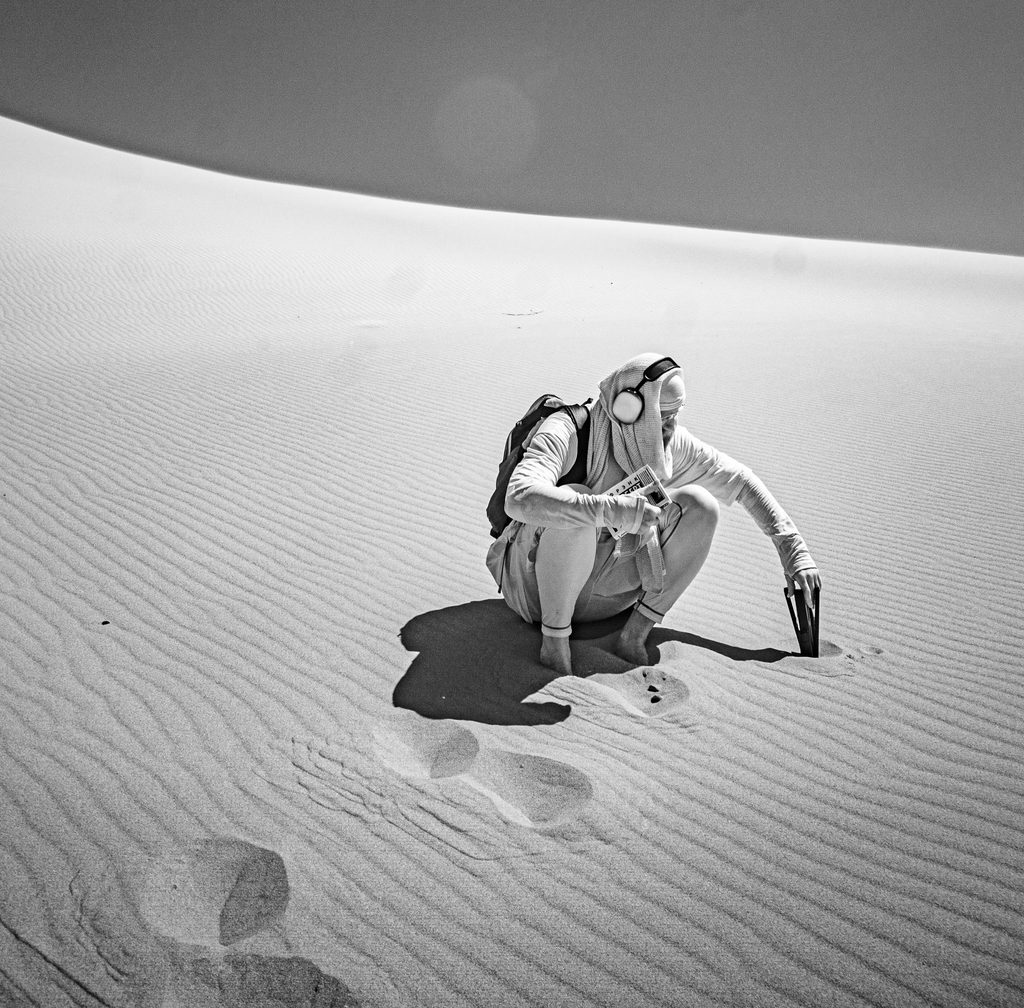
Dune read through the invisible spectrum — heroes, resource wars and the litany against fear, staged in the Sarykum dunes and Sulak canyon of Dagestan, standing in for Arrakis.
Introduction
Dune presents the desert as a place where humanity’s true nature is revealed—its capacity for survival, adaptation, and spiritual growth. Infrared photography, revealing the invisible spectrum of light, becomes a metaphor for Herbert’s humanism—a belief in the hidden potential of man.
“To the people whose labors go beyond ideas into the realm of ‘real materials’ ― to the dry-land ecologists, wherever they may be, in whatever time they work, this effort at prediction is dedicated in humility and admiration.”
— Frank Herbert
Starring
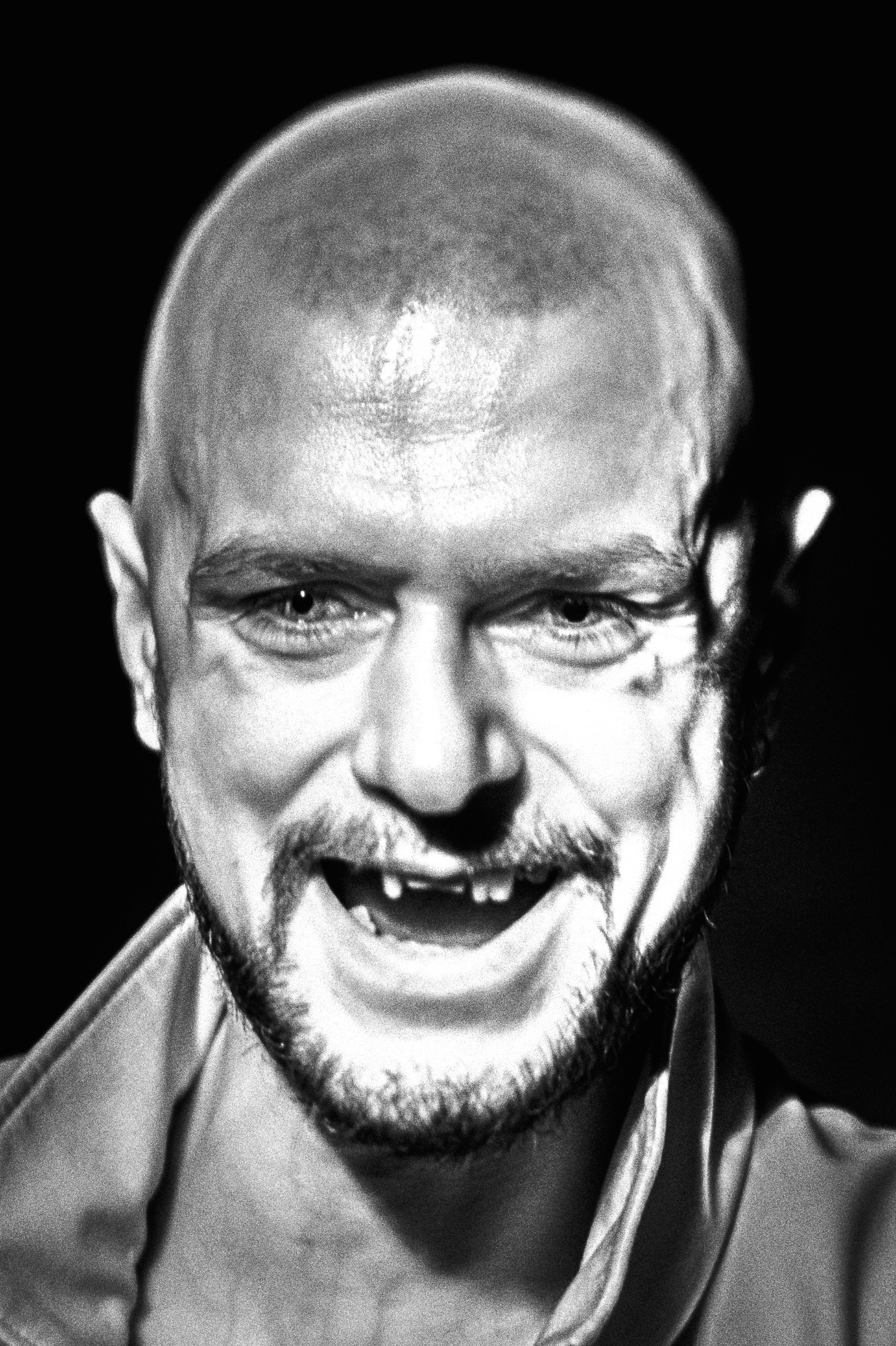
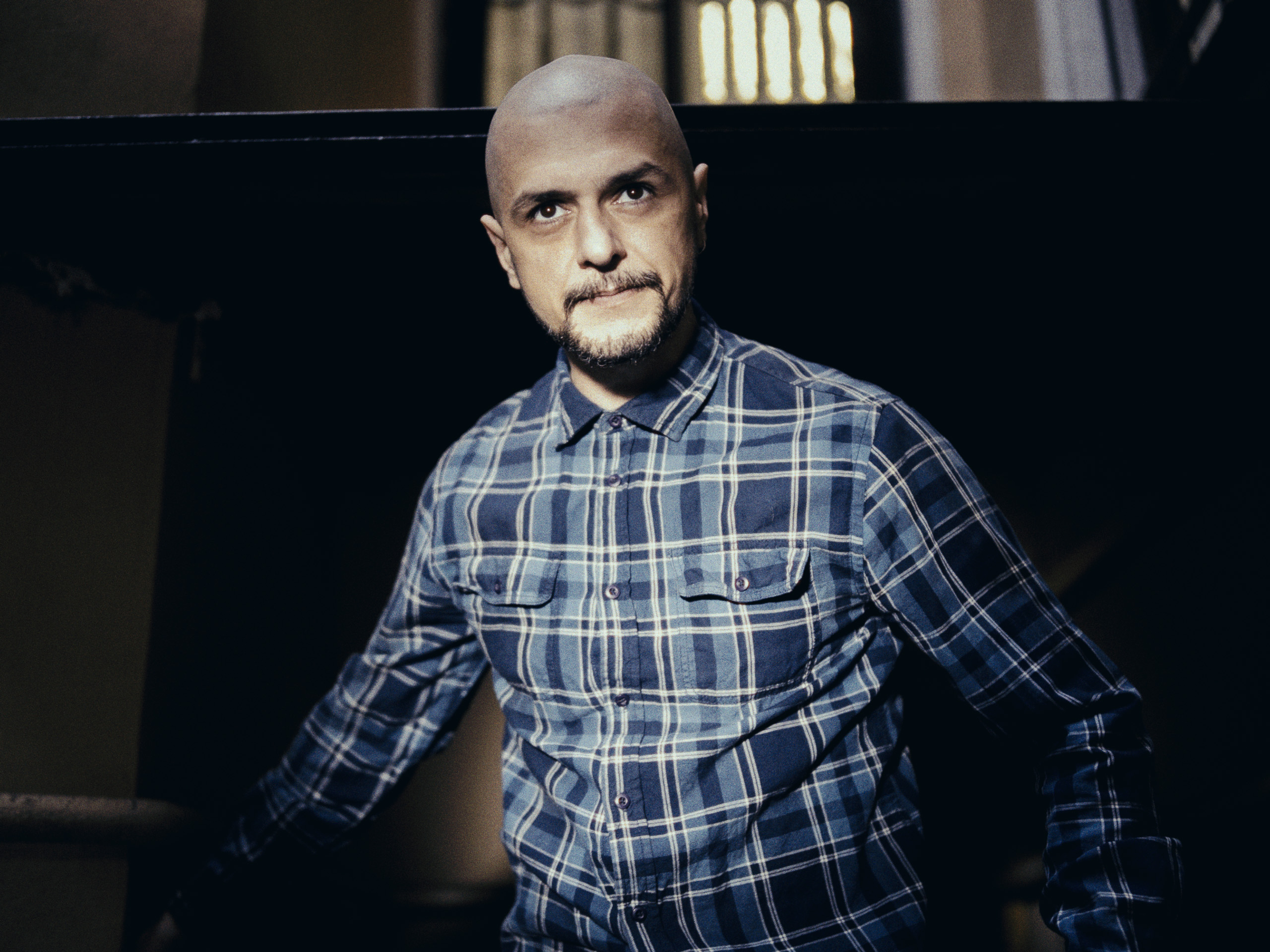
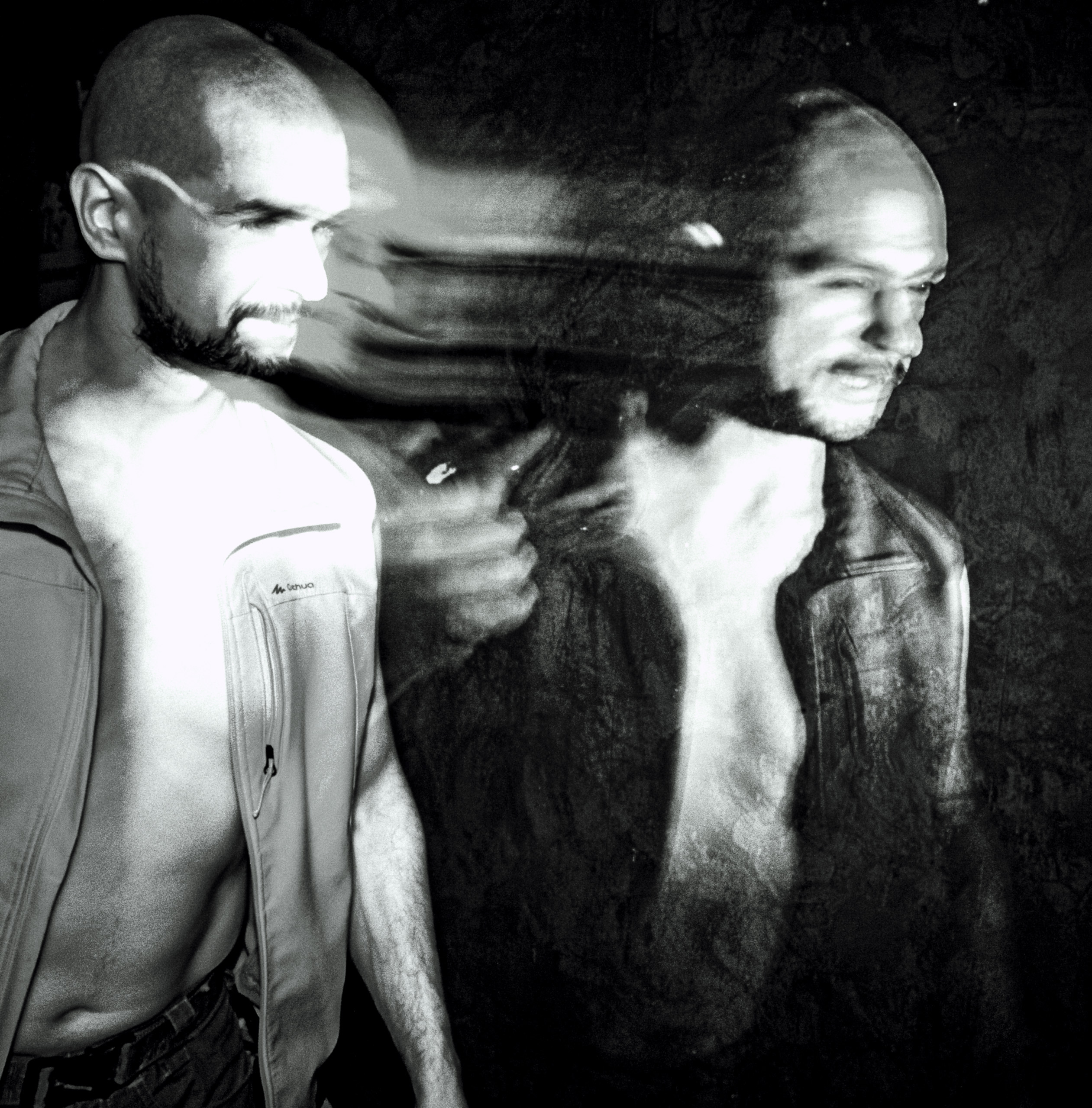
I decided not to adhere to the strict boundaries of the Dune heroes. It was important to me to create images of the characters in infrared, so one of the final characters in the shoot combines all the personality traits of the Baron and Feyd – deep cunning and reckless cruelty…
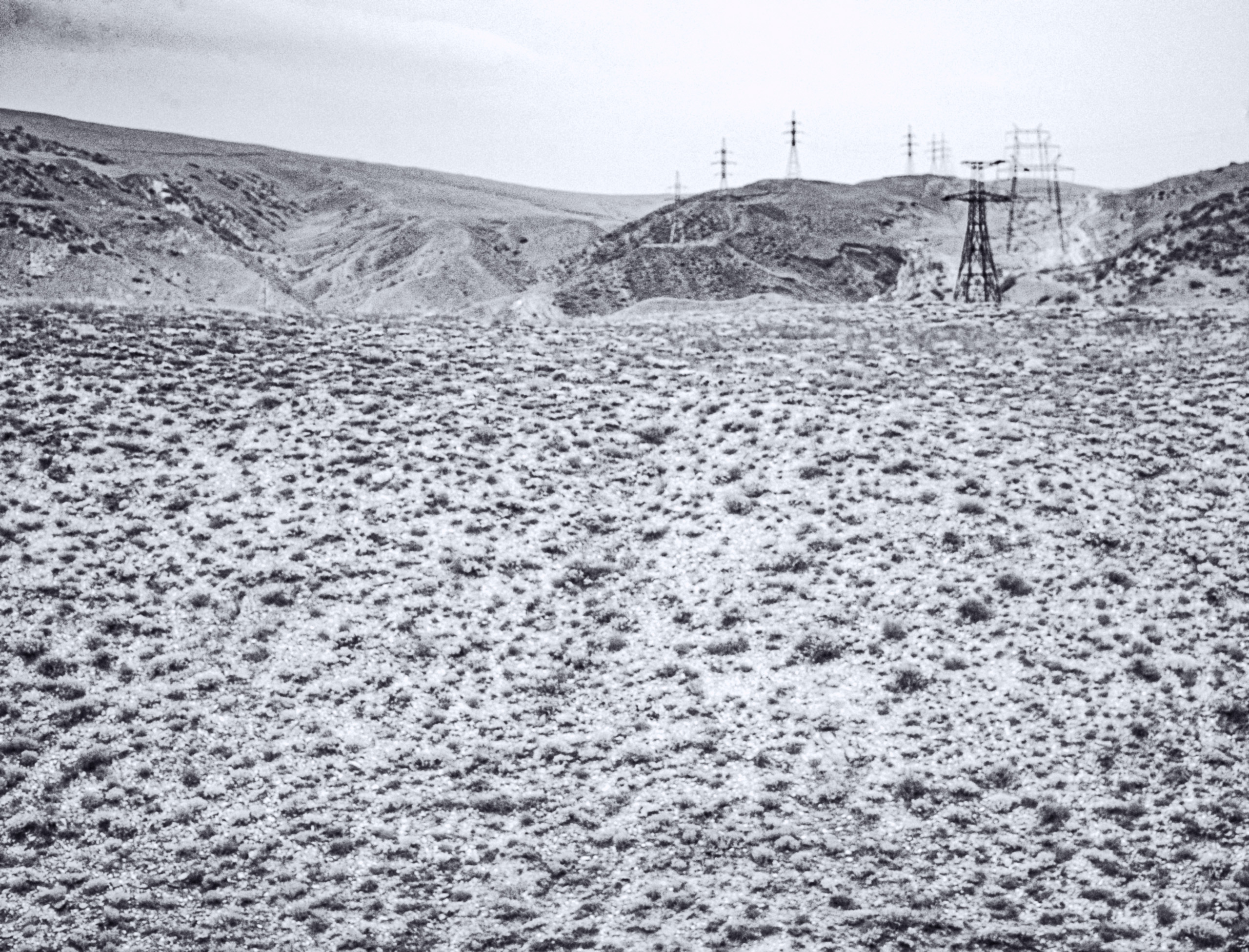
1 · Sarykum dune, power line — IRchrome, colour infrared
2 · The Baron, before infrared — visible light, studio
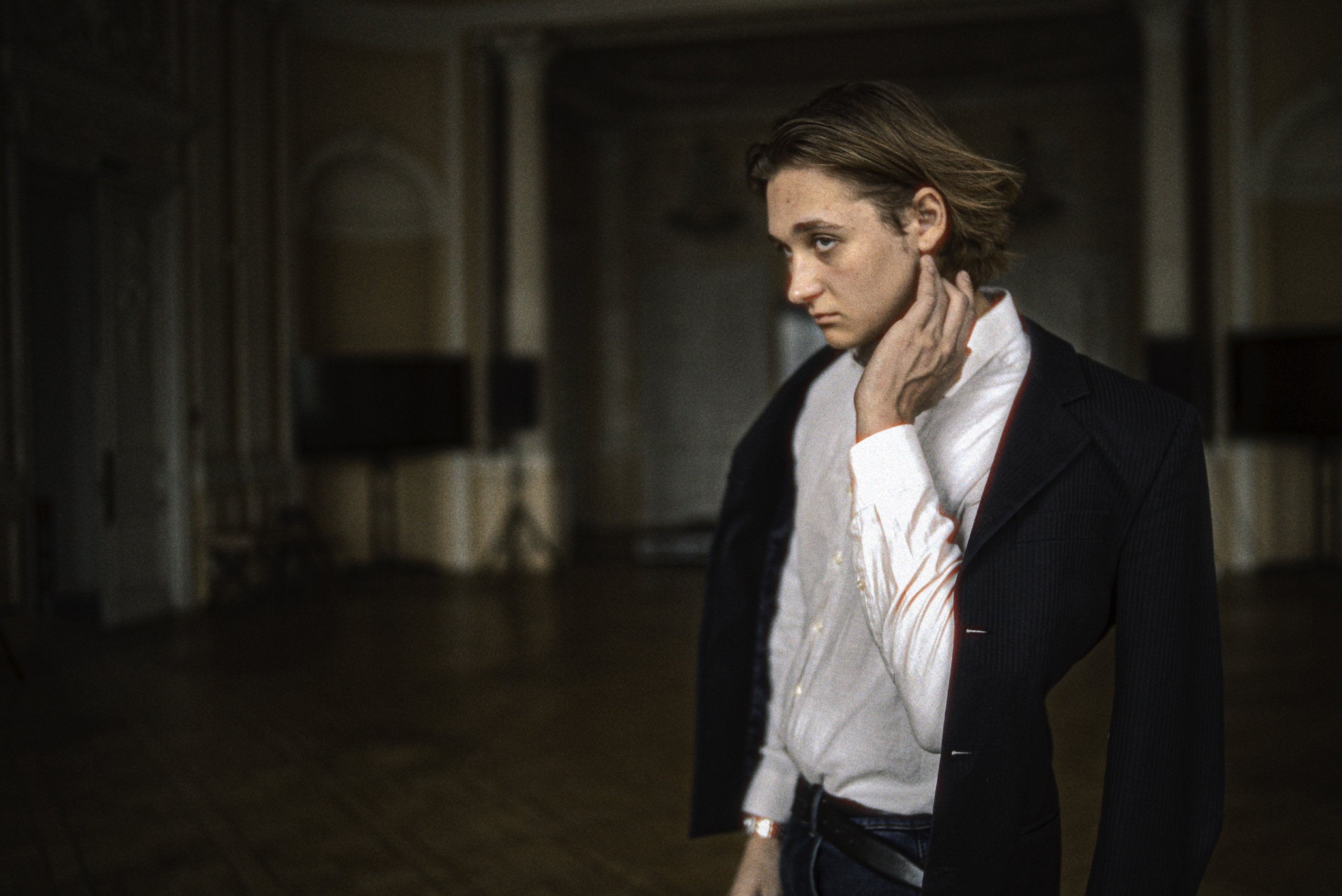
3 · Paul Atreides, before infrared — visible light, palace hall
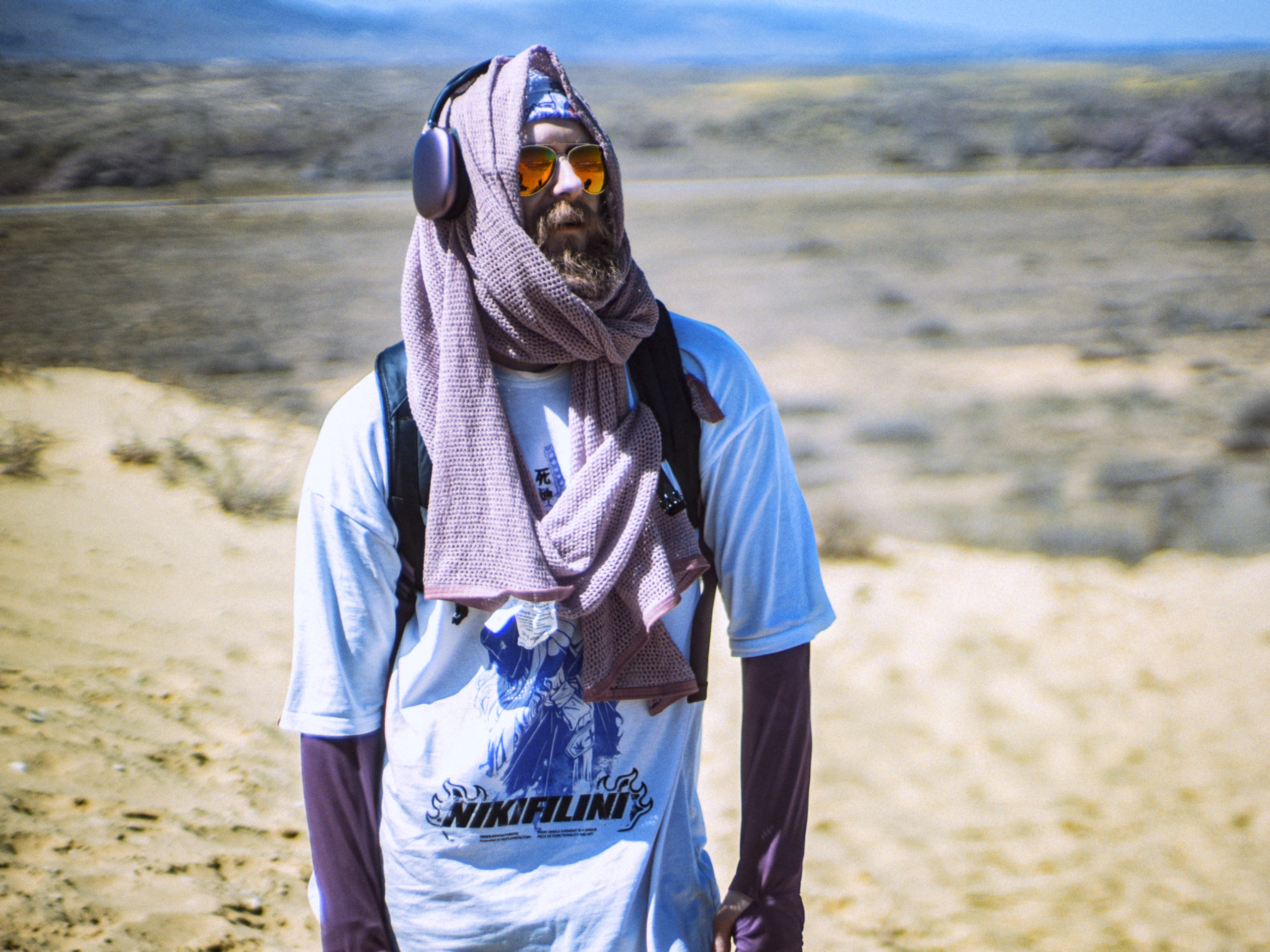
4 · Liet-Kynes, before infrared — visible colour, desert
Part 1: Introduce your heroes
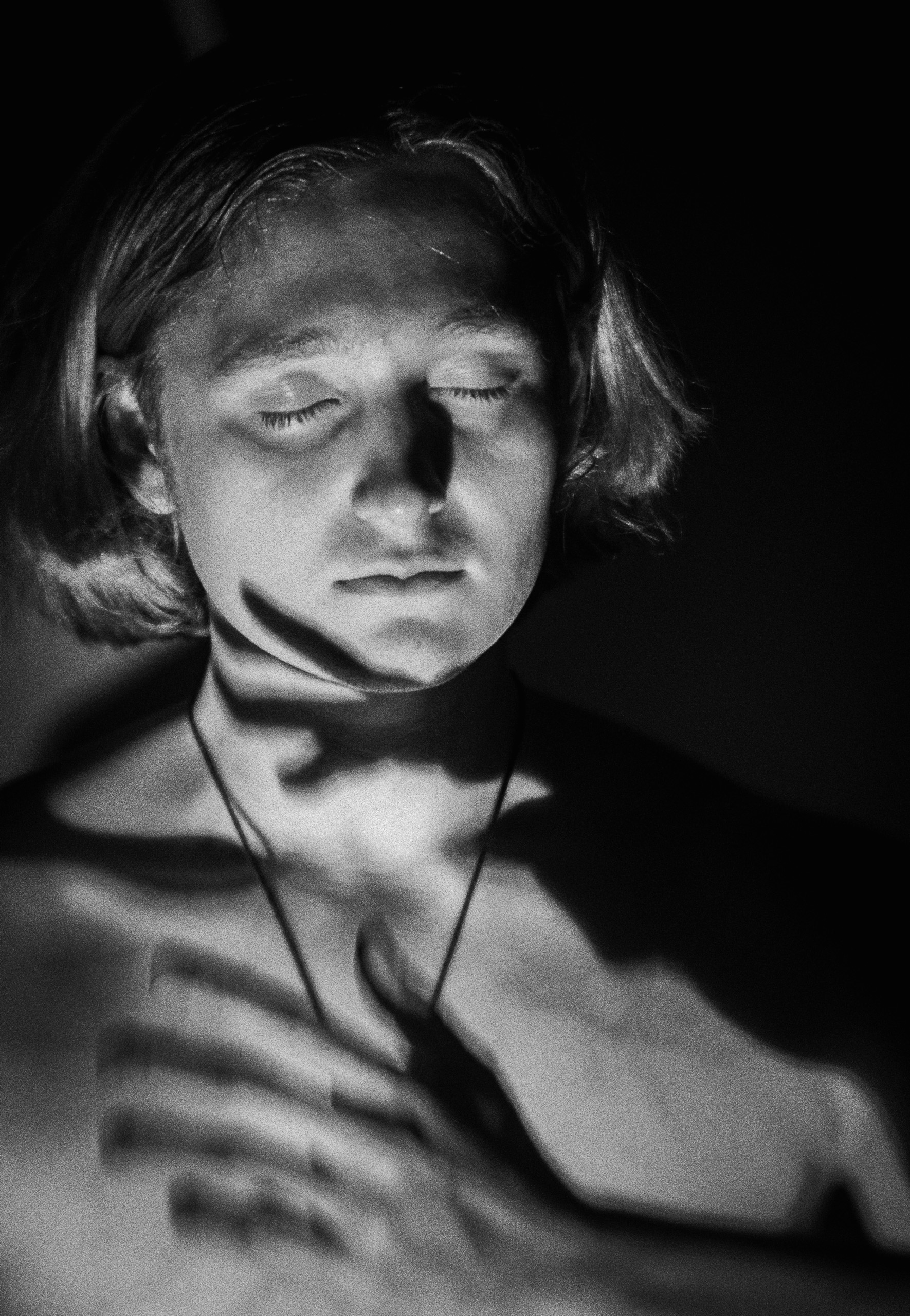
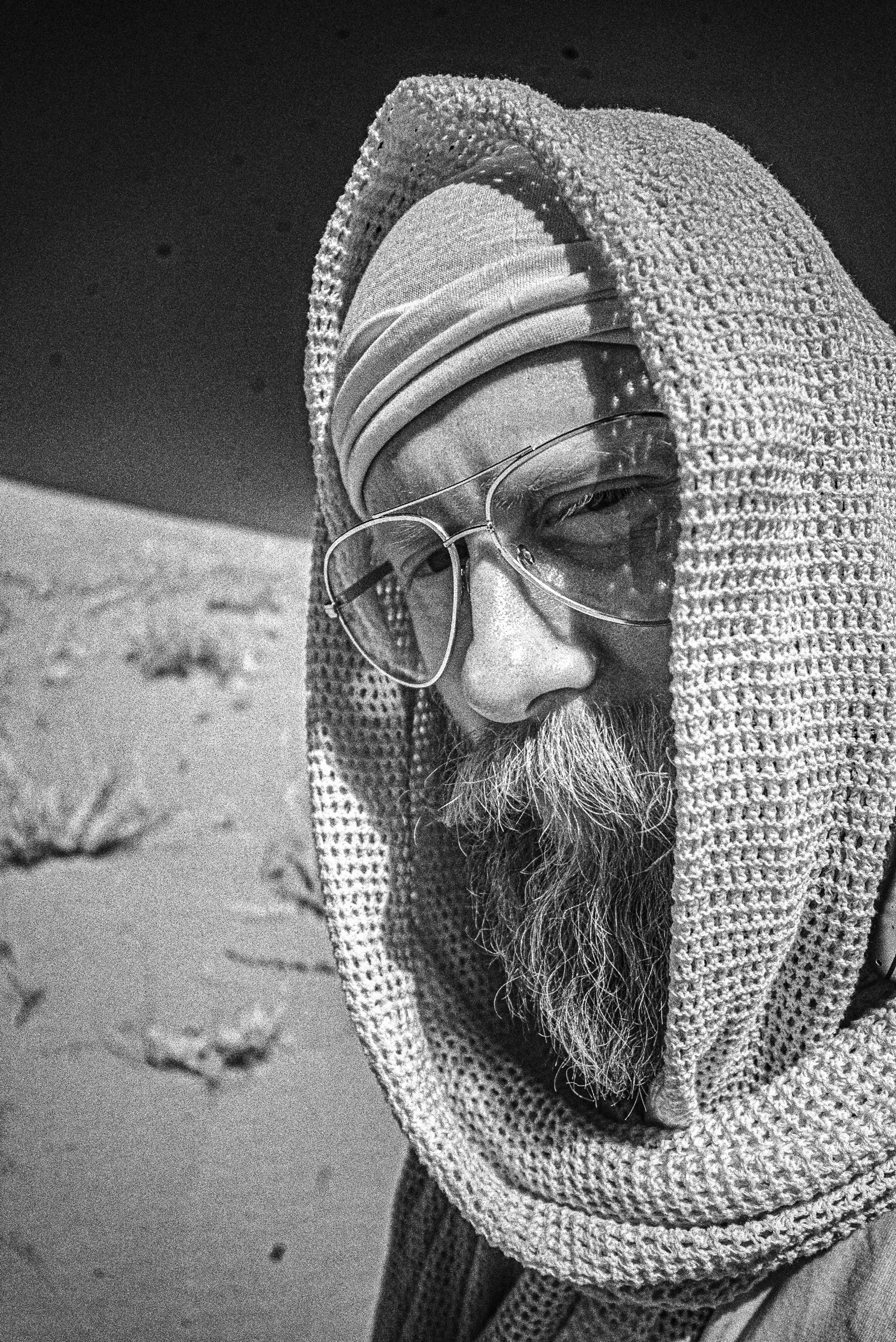
Herbert’s characters embody fundamental tensions between perception and reality that infrared photography makes literal. Paul Atreides’ prescience—his ability to perceive multiple futures simultaneously—parallels neuroscientific research showing how the brain constructs predictions through counterfactual modeling, generating futures from memorized patterns. Infrared imaging similarly reveals futures written in thermal signatures: vegetation stress patterns predict drought, thermal emissions forecast structural failure. Baron Harkonnen’s pale translucence under Giedi Prime’s black sun required 850nm infrared filters that render skin semi-transparent, exposing subdermal structures normally invisible—a technological manifestation of his moral grotesqueness made flesh. Feyd-Rautha embodies this aesthetic extreme: infrared transforms human subjects into alien spectres, just as his character represents humanity stripped to predatory essence. Liet Kynes, the planetologist, sees Arrakis through ecological time-scales that mirror infrared remote sensing’s capacity to detect subsurface moisture and track desert transformation processes invisible to human perception. Each character represents different spectral bandwidths of reality—visible versus invisible, present versus future, surface versus depth—unified through Herbert’s vision and infrared’s revelatory technology.
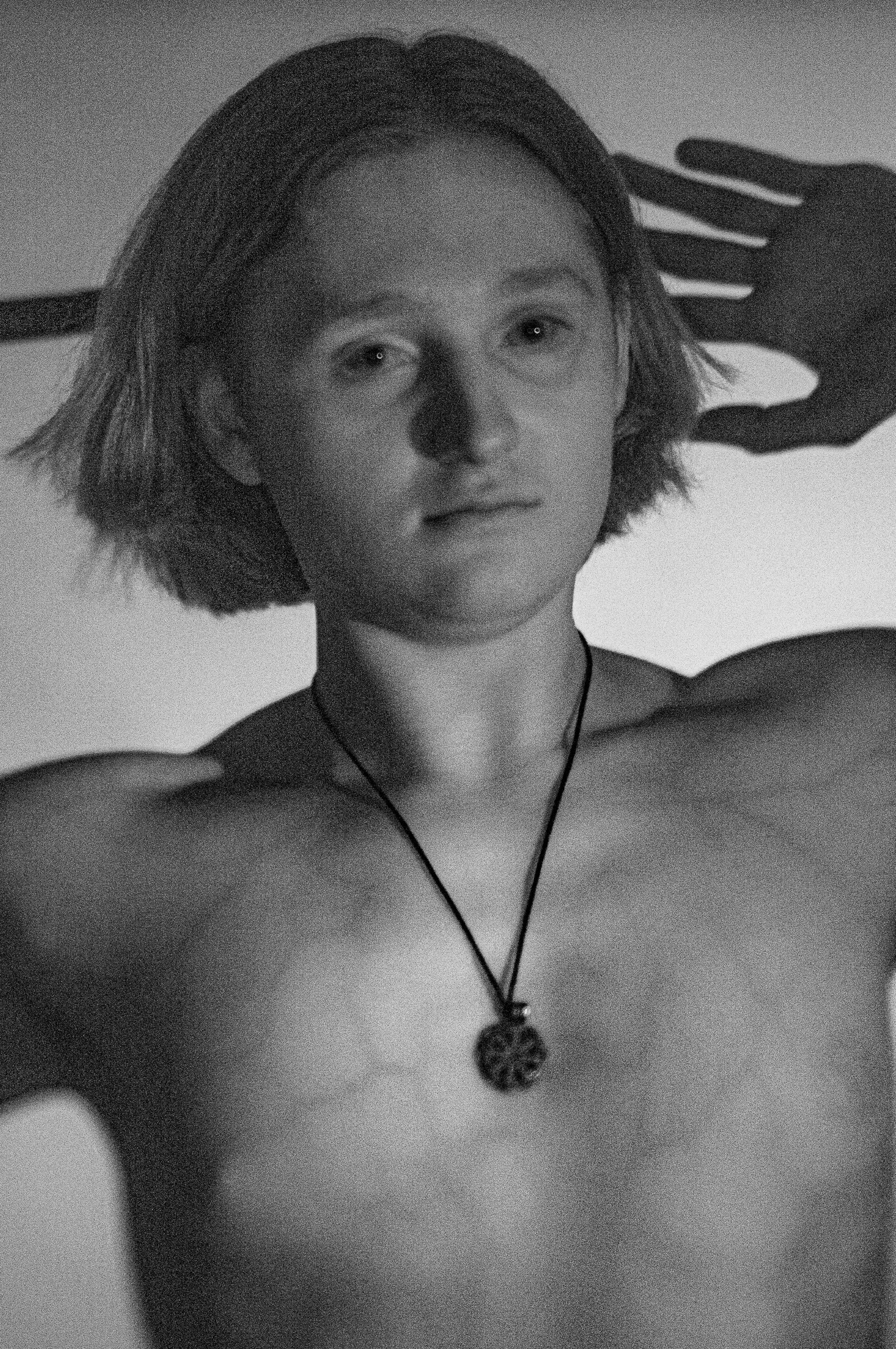
1 · Paul — infrared B&W, studio
2 · Feyd-Rautha — infrared B&W, studio
3 · Liet-Kynes, hooded — infrared B&W, dune
Part 2: The battle for Arrakis
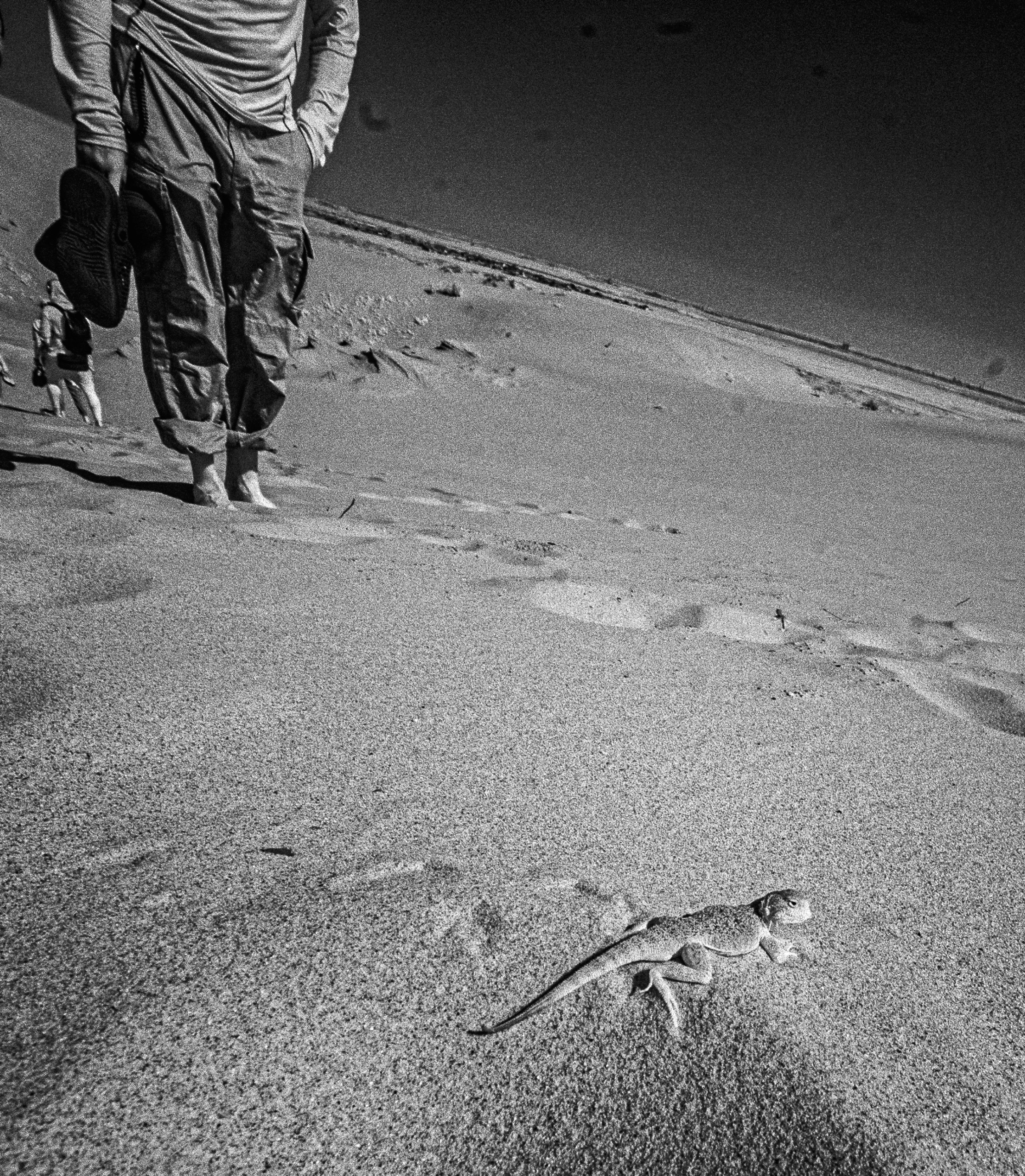
Herbert’s Dune prophetically dramatizes the convergence of ecological collapse and resource warfare that defines contemporary desert conflicts. Infrared remote sensing has become central to both military operations and environmental monitoring in arid regions, revealing thermal signatures invisible to the human eye—from subsurface water reserves to concealed military positions. Modern satellite thermal imaging systems detect desert vegetation stress and sand dune migration patterns with 1-2 meter penetration depth through L-band radar, echoing the Fremen’s intimate knowledge of spice blow locations and moisture indicators. The battle for Arrakis mirrors real-world struggles where ecological devastation and colonial resource extraction become inseparable: contemporary research demonstrates how desert warfare disrupts fragile ecosystem balances, while Herbert’s prescient ecological framework anticipated permaculture principles now applied to regenerate failing desert environments. Infrared photography transforms this narrative into visual testimony—capturing thermal anomalies that expose both environmental degradation and the technological apparatus of surveillance deployed across contested territories. Just as Paul Atreides learns to see desert patterns through Fremen ecology, infrared imaging reveals spectral signatures of vegetation, thermal emissions, and subsurface moisture that constitute the true battleground where human survival intersects with planetary limits.
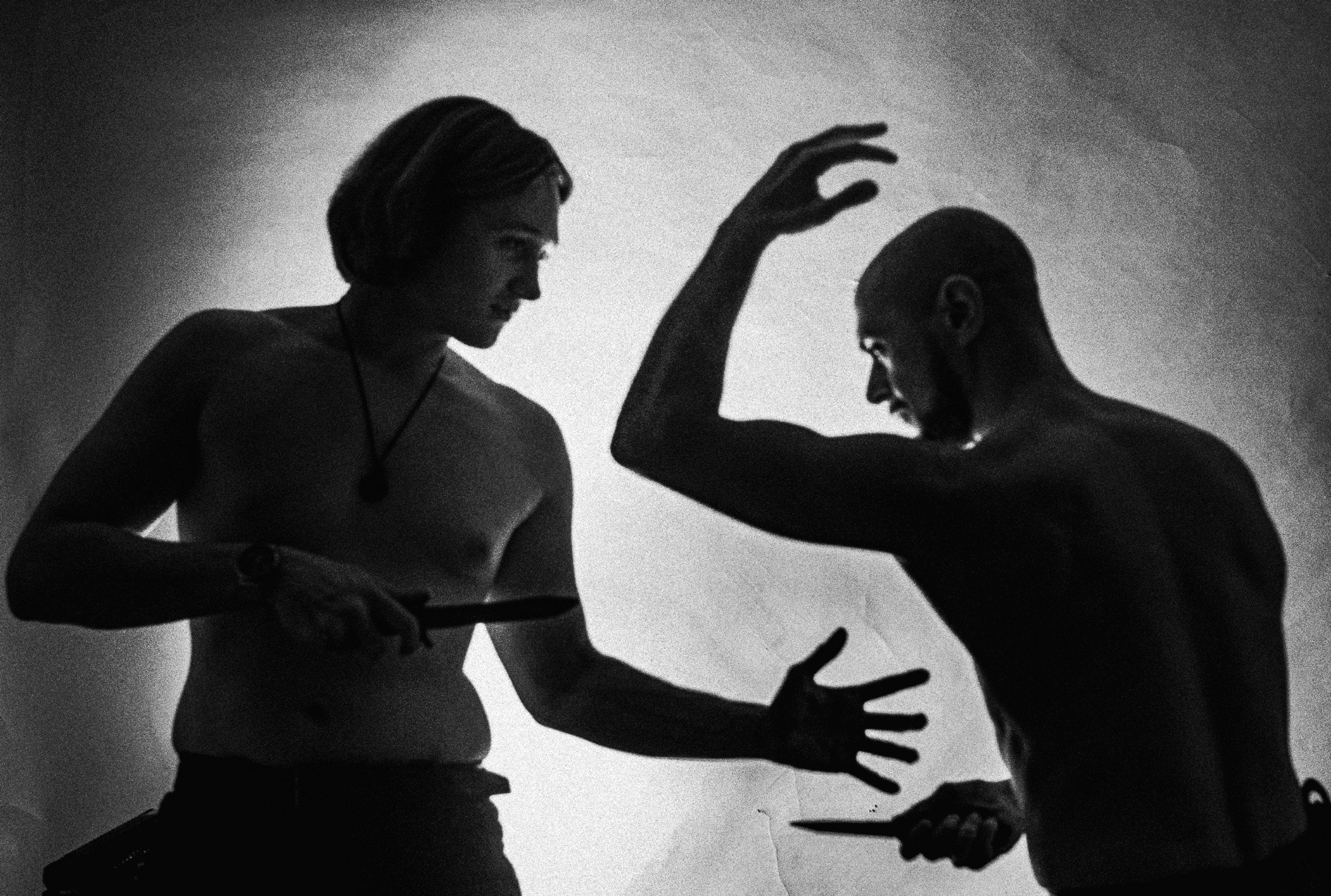
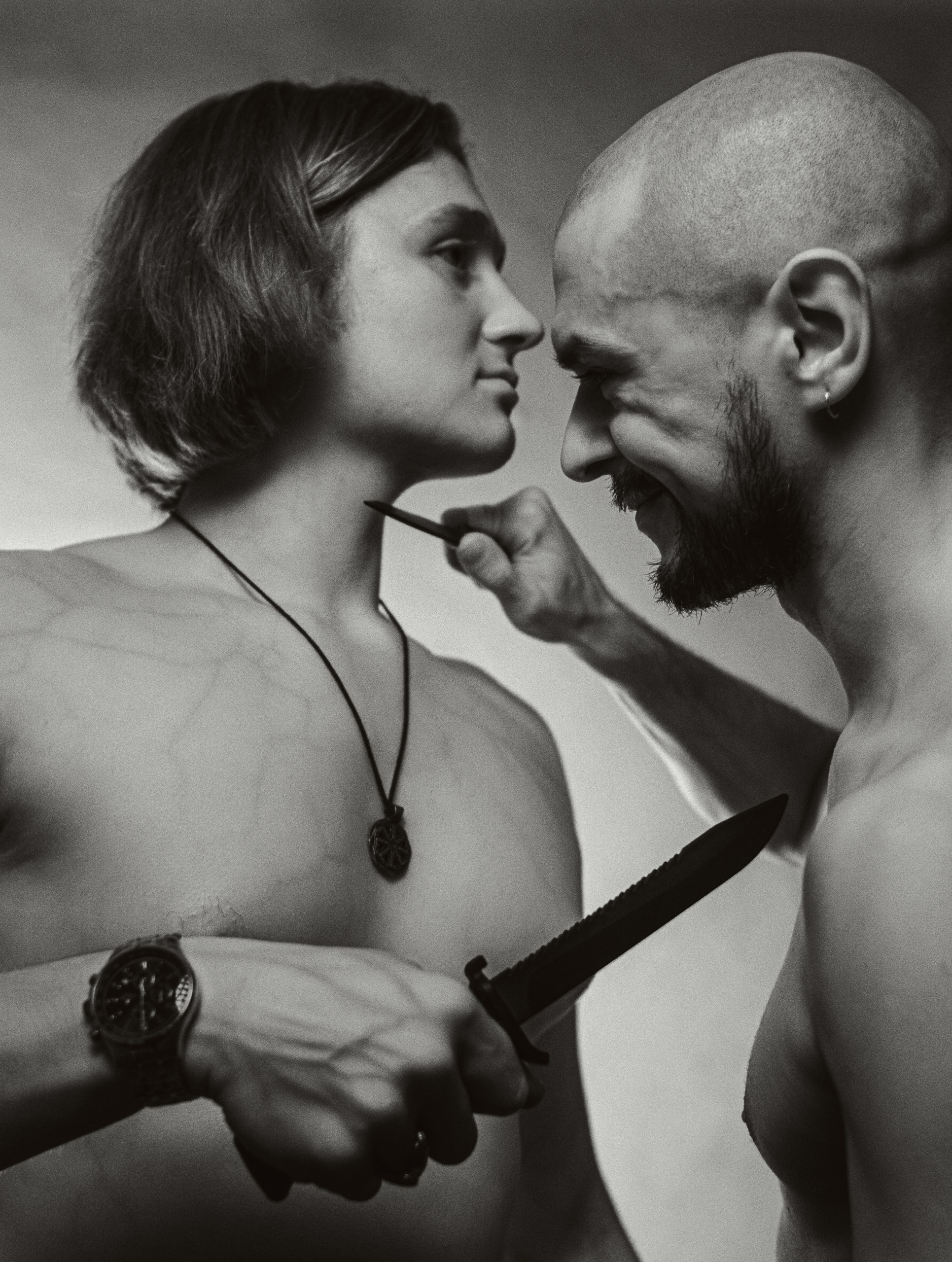
“Arrakis teaches the attitude of the knife–chopping off what’s incomplete and saying: “Now, it’s complete because it’s ended here”
— from “Collected Sayings of Muad’Dib” by the Princess Irulan
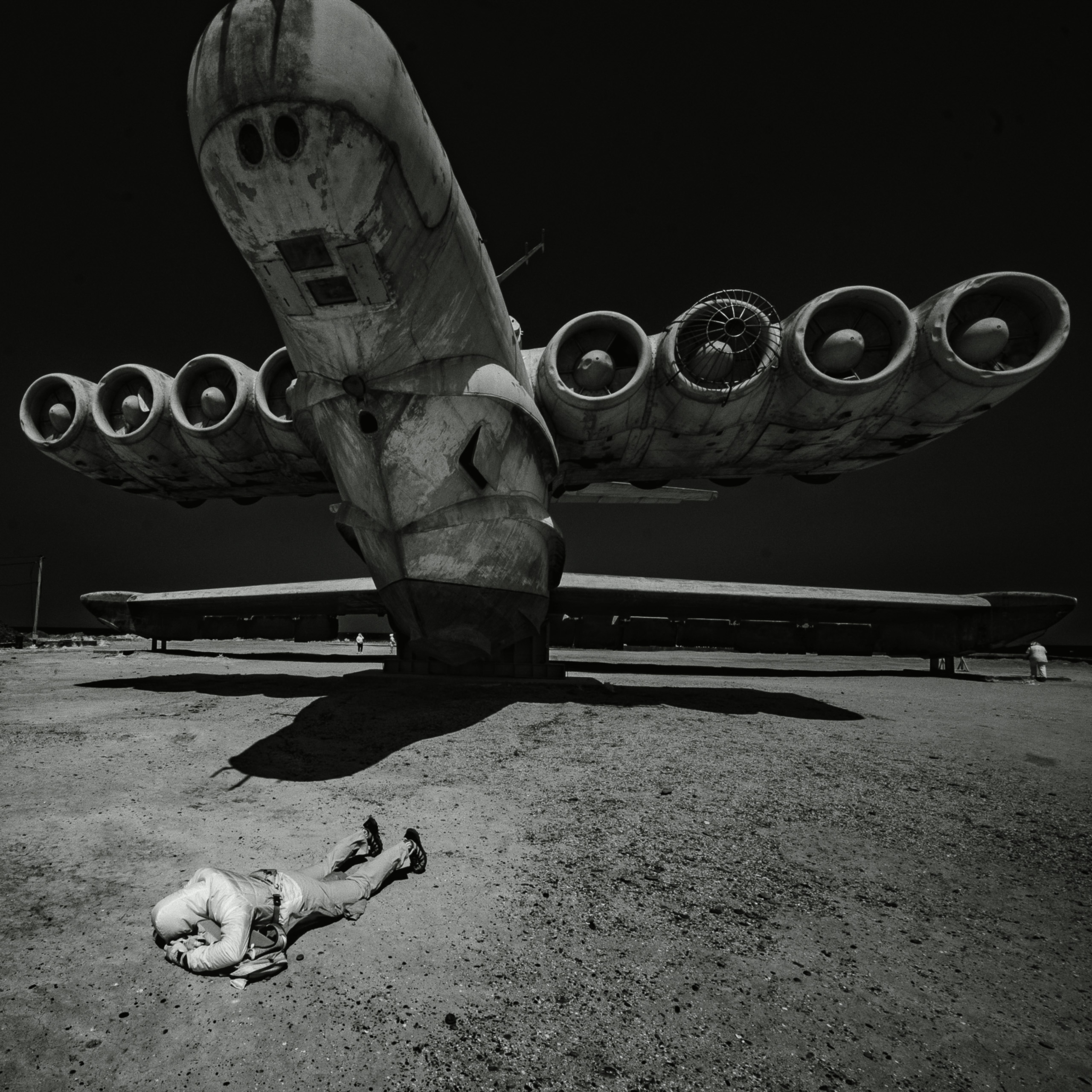
1 · Paul, second exposure — infrared B&W, studio
2 · Hills and power pylons — infrared B&W, Sarykum
3 · Walking feet and a lizard — infrared B&W, dune
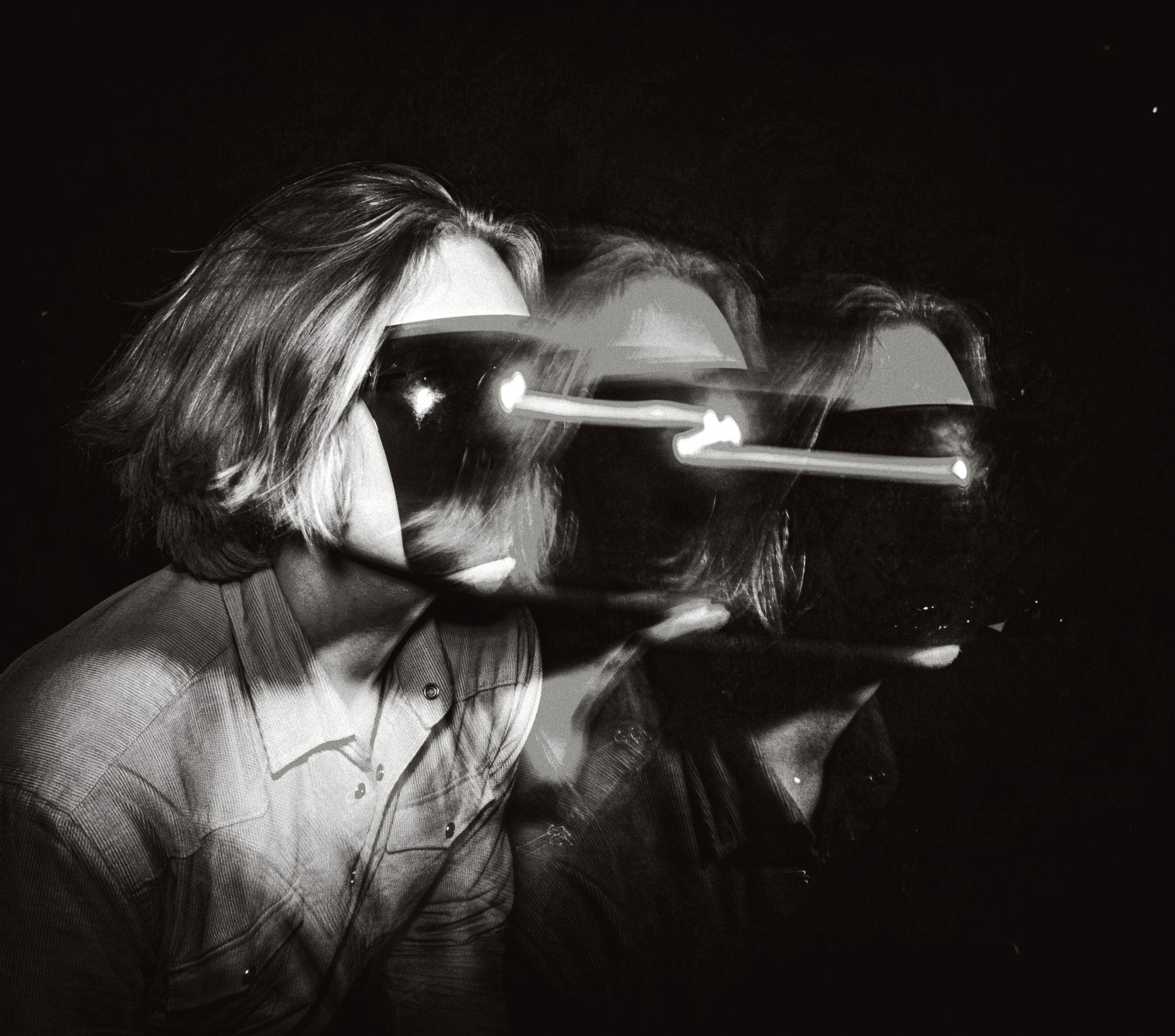
4 · Foresight, double exposure — infrared B&W, studio
5 · The Baron and Feyd merged — infrared B&W, double exposure, studio
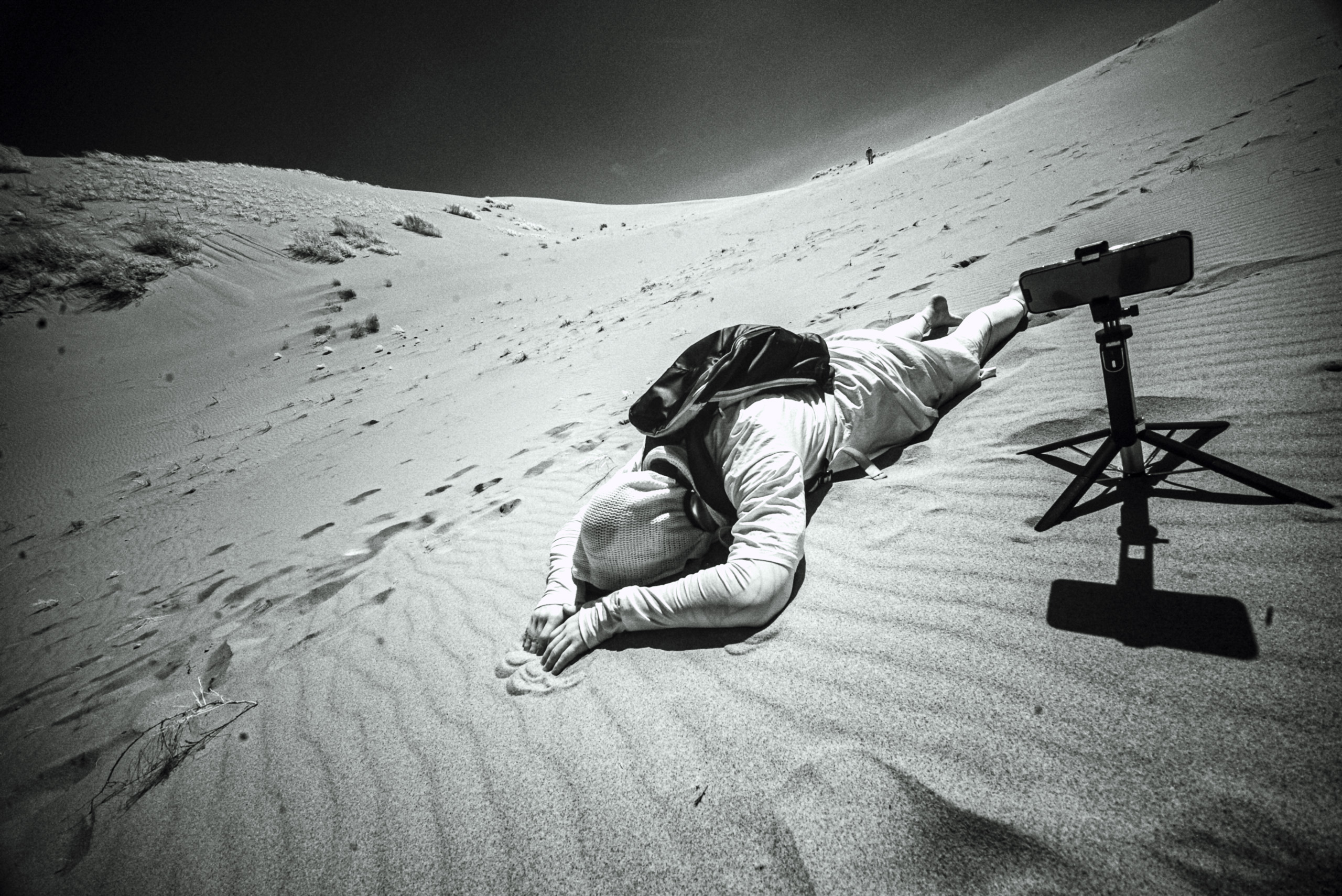
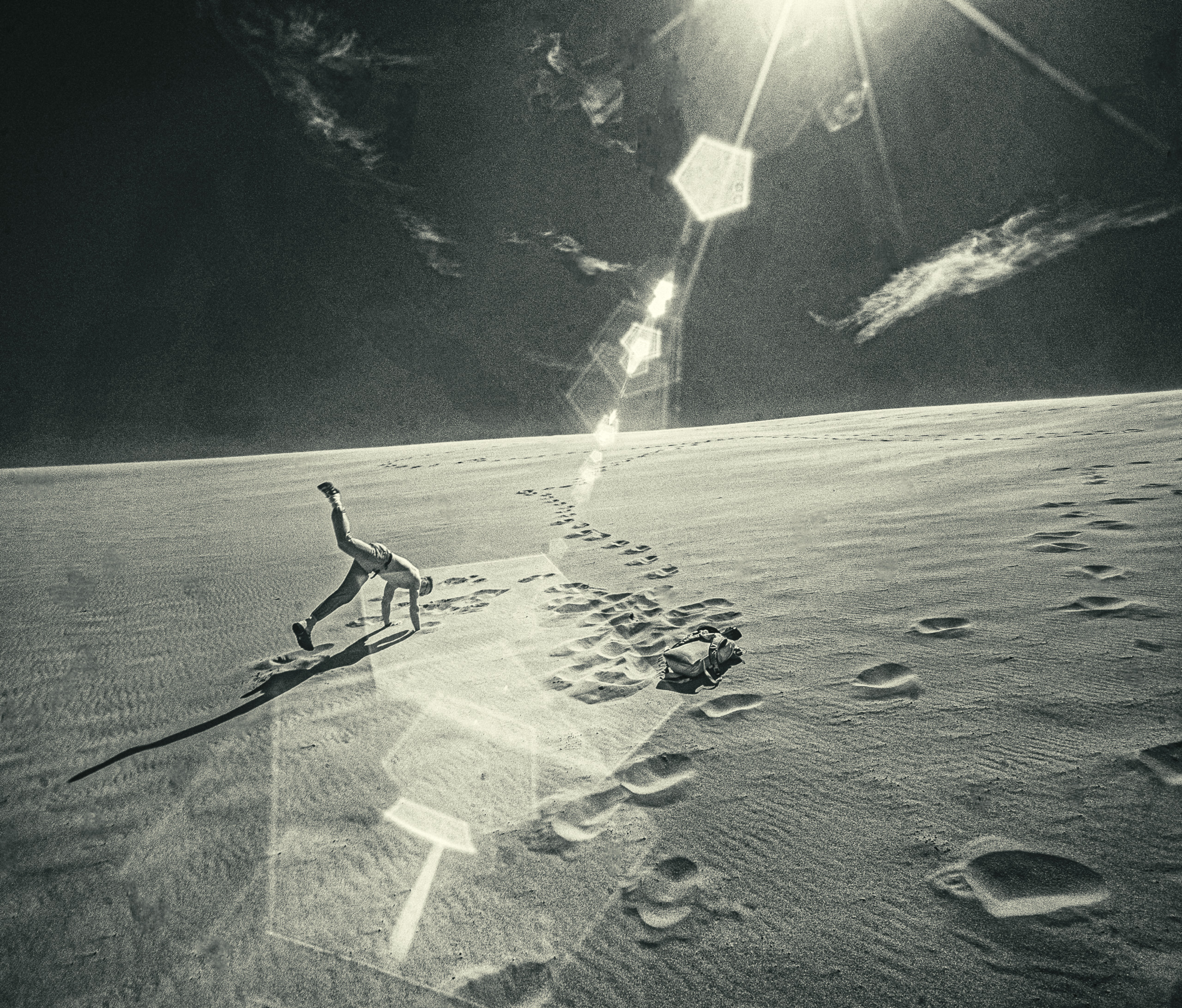
6 · Liet-Kynes falls — infrared B&W, dune
7 · The fall, continued — infrared B&W, dune
8 · The knife, wide — infrared B&W, studio
9 · The knife, close — infrared B&W, studio
10 · The Lun ekranoplan — infrared B&W, Caspiysk
Part 3: Fear is the little-death that brings total obliteration
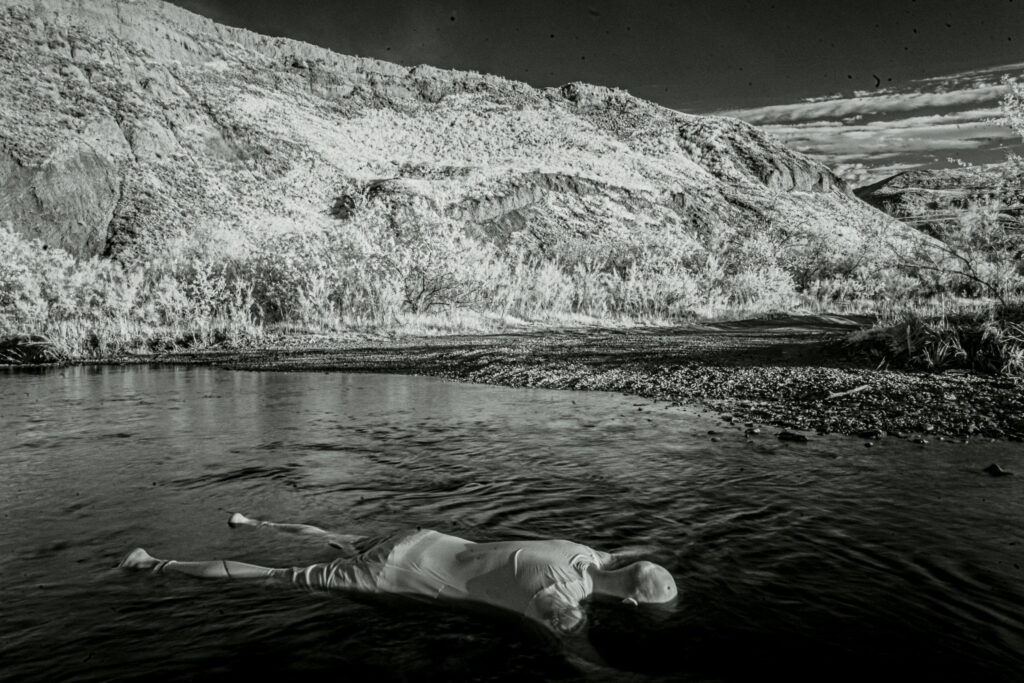
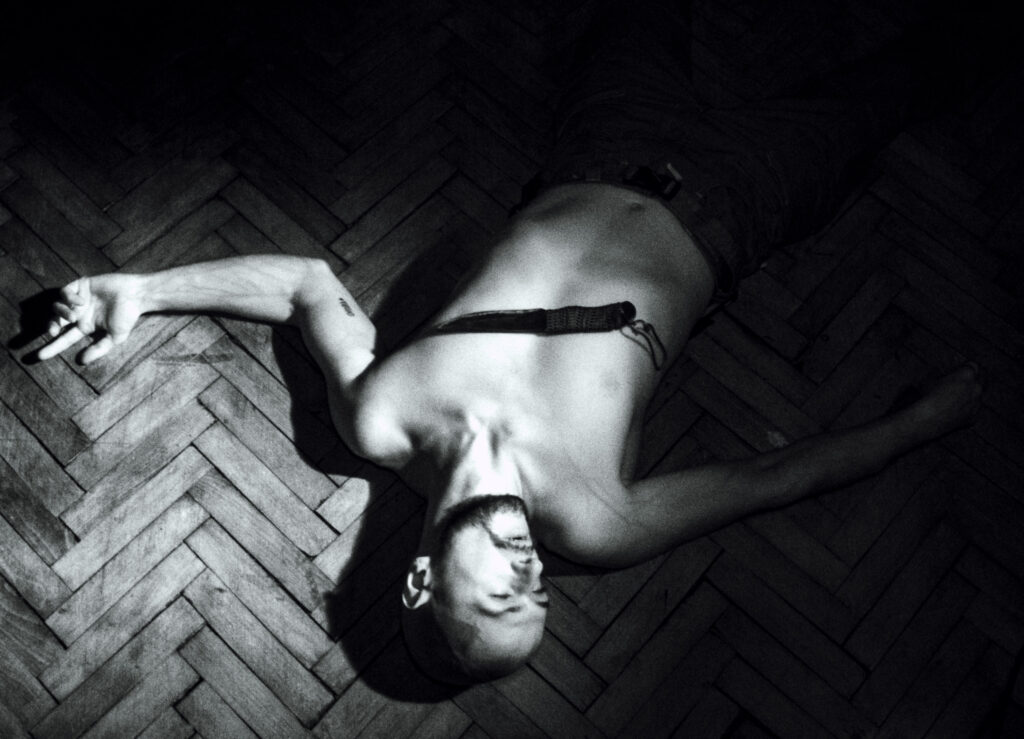
The Bene Gesserit litany against fear finds profound resonance in infrared photography’s revelation of invisible realities. Just as human vision confines us to 400-700 nanometers of the electromagnetic spectrum, fear constrains consciousness to equally narrow perceptual boundaries.
Neuroscientific research demonstrates that the amygdala processes threatening stimuli in under 120 milliseconds through pathways bypassing conscious awareness, creating fear responses to signals our mind never registers. This mirrors infrared photography’s fundamental premise: vast domains of reality exist beyond natural perception, requiring technological augmentation to overcome biological limitations.
When we photograph in infrared, materials appearing identical in visible light—black fabrics, human skin, foliage—reveal their true spectral signatures, exposing hidden differentiation independent of human perception.
Dune: Part II is the first major production to showcase infrared’s distinctive visual language as a primary storytelling element rather than a concealed technical.
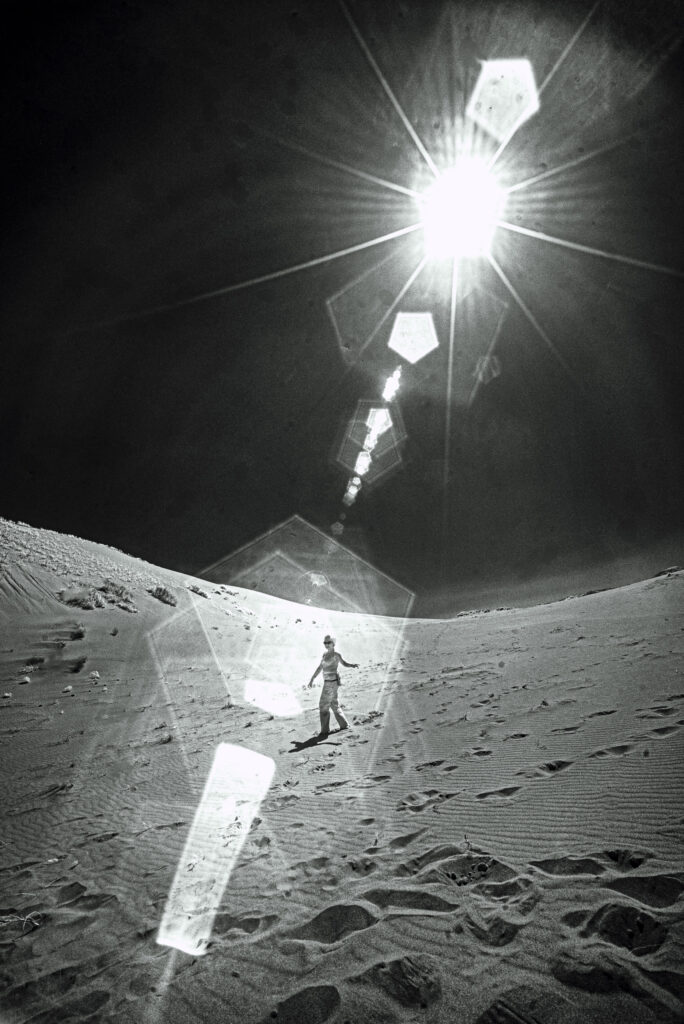
1 · Sunburst over the dune — infrared B&W, Sarykum
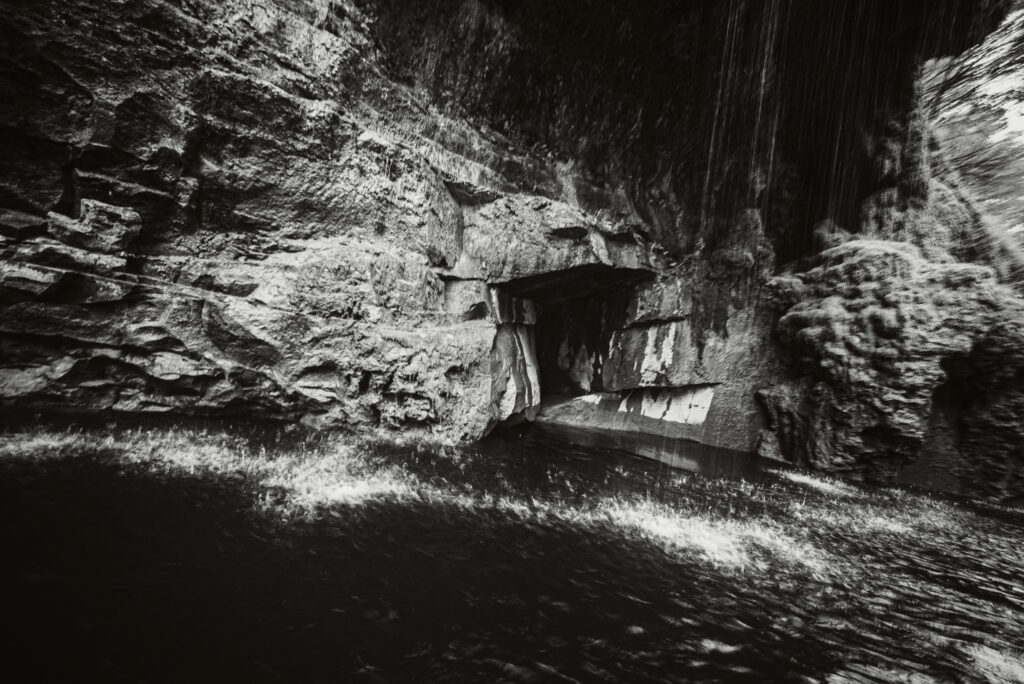
2 · Cave mouth above the canyon — infrared B&W, Sulak
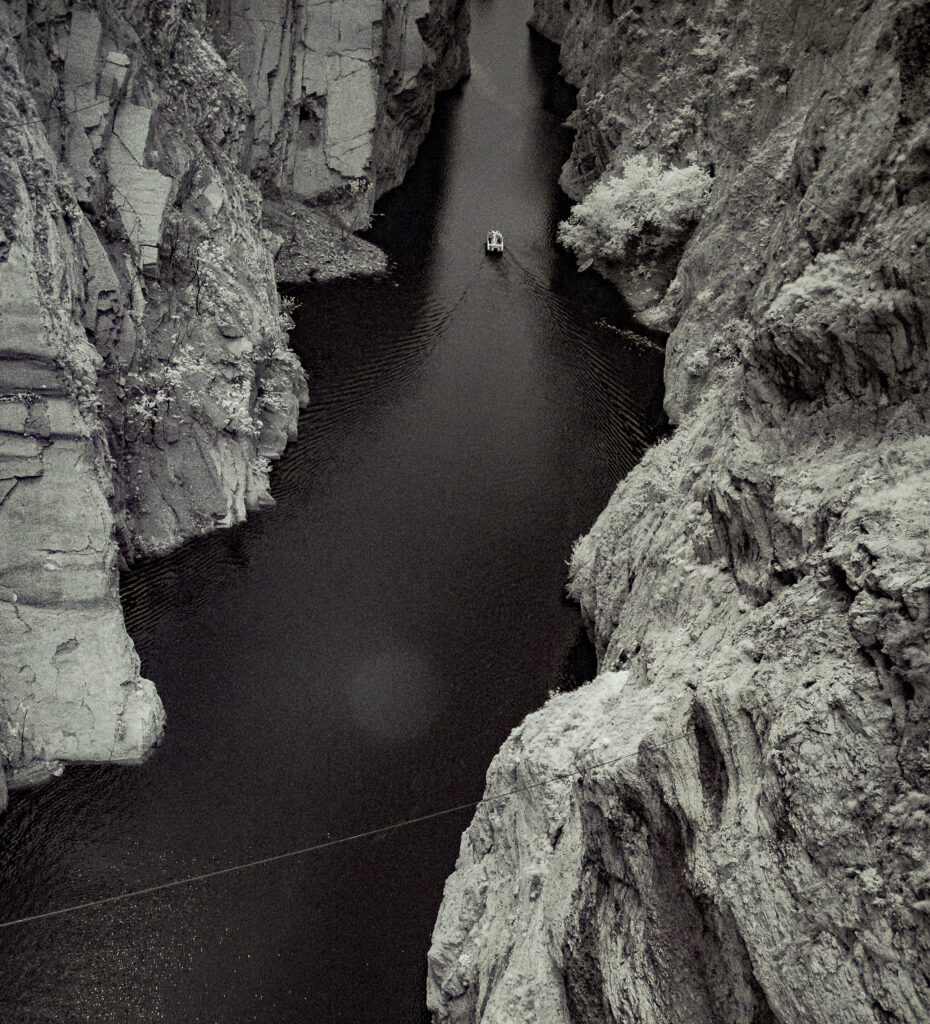
3 · Sulak canyon, a boat — infrared B&W, Sulak
4 · The little-death — infrared B&W, river
5 · The corpse pose — infrared B&W, studio floor
Read also
Egypt — Modern Miracles · Corvus Mechanicus