STORIES
Egypt — Modern Miracles
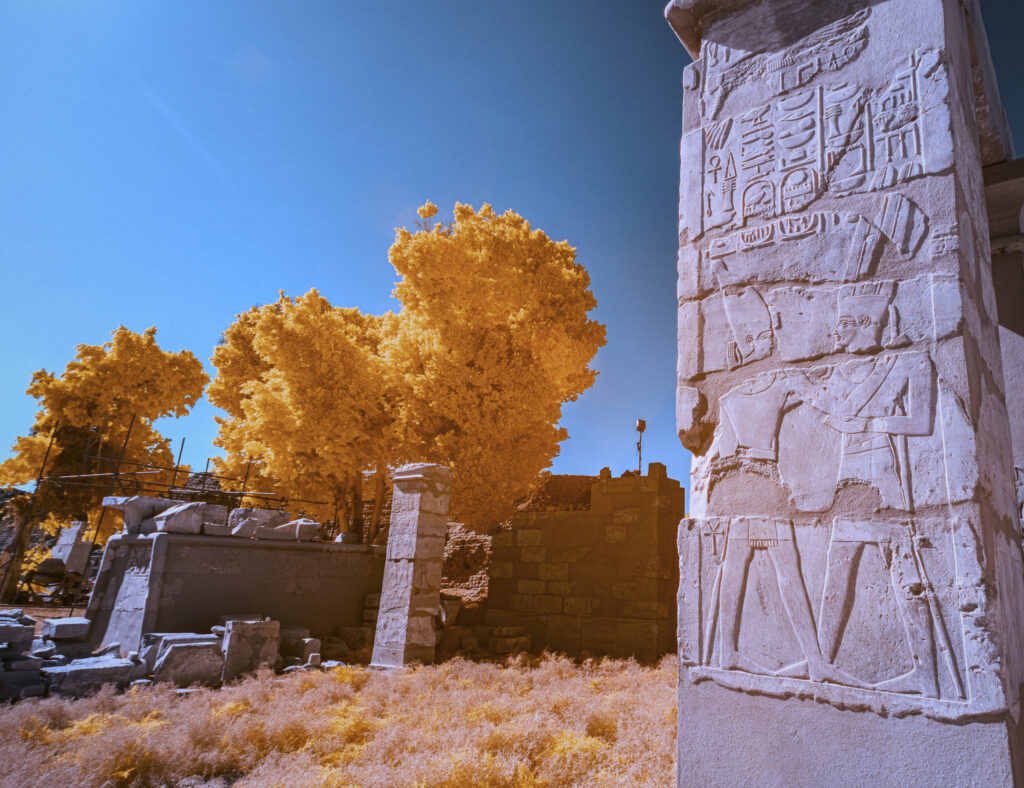
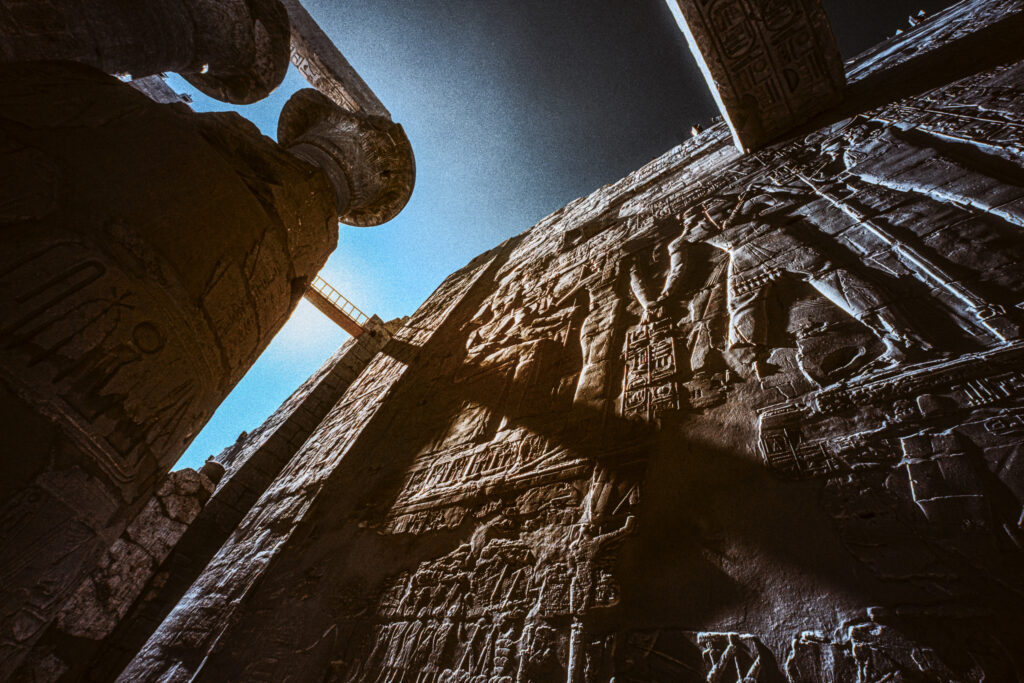
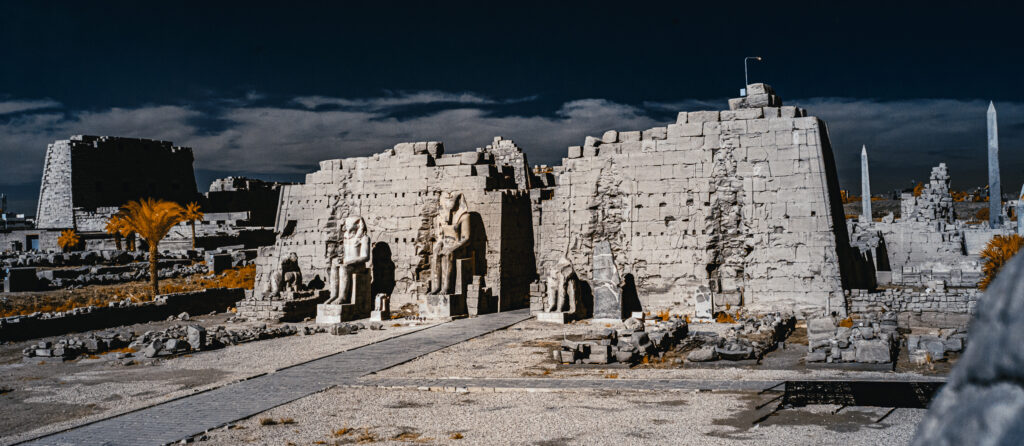
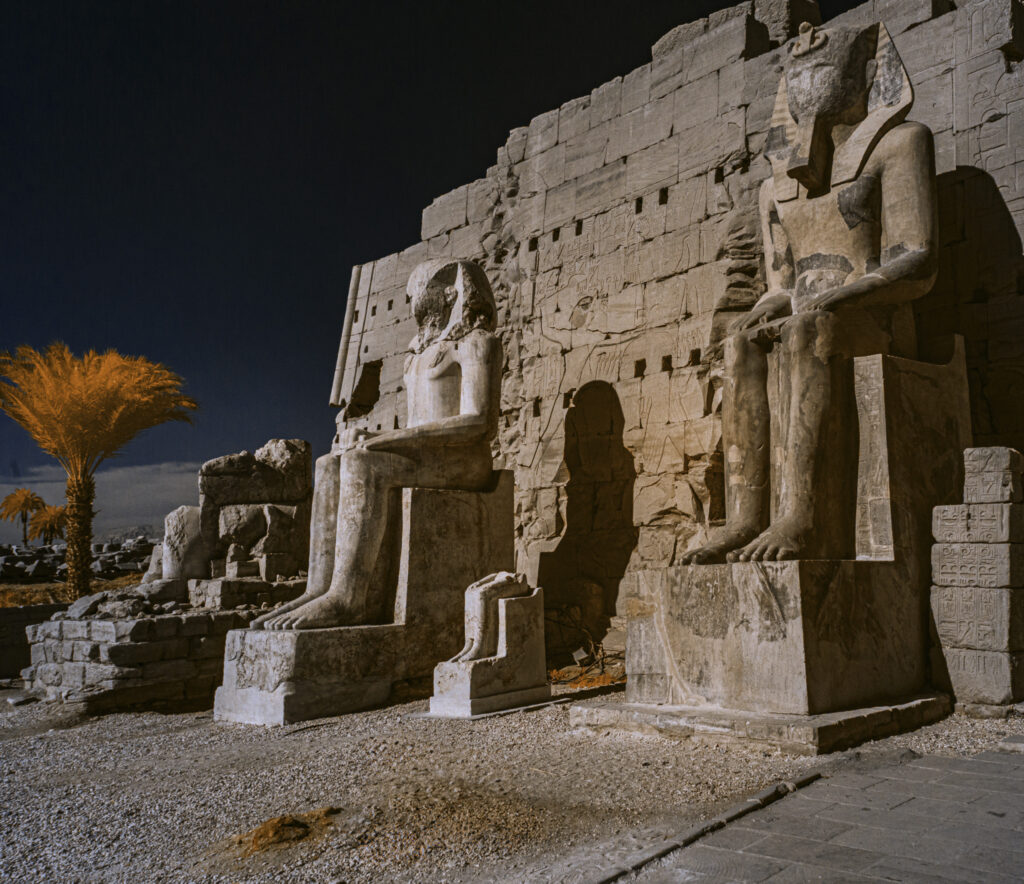
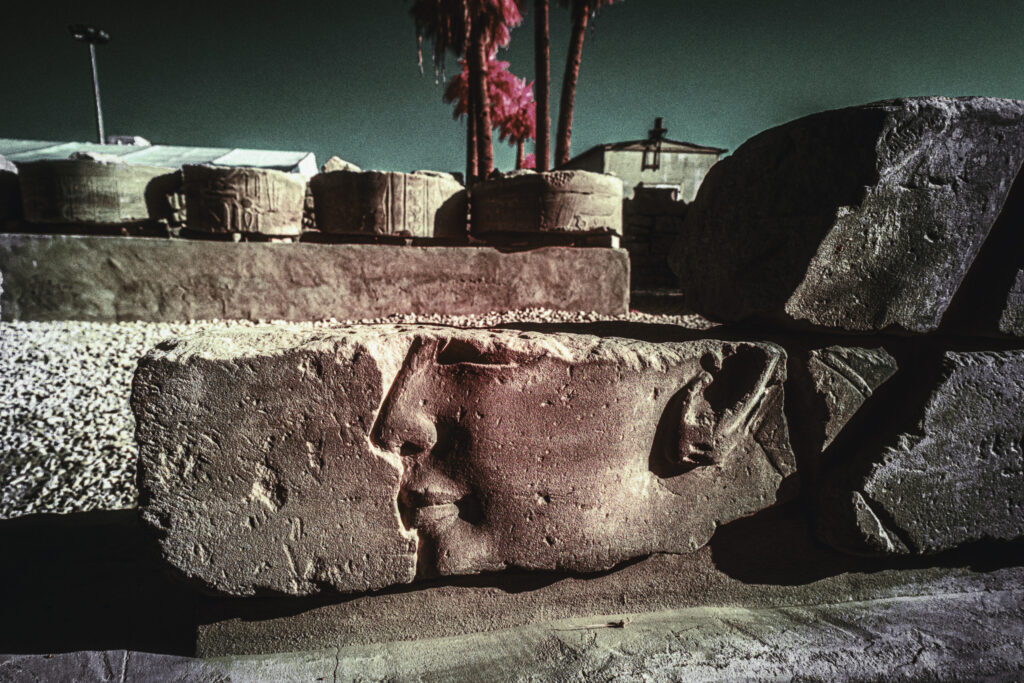
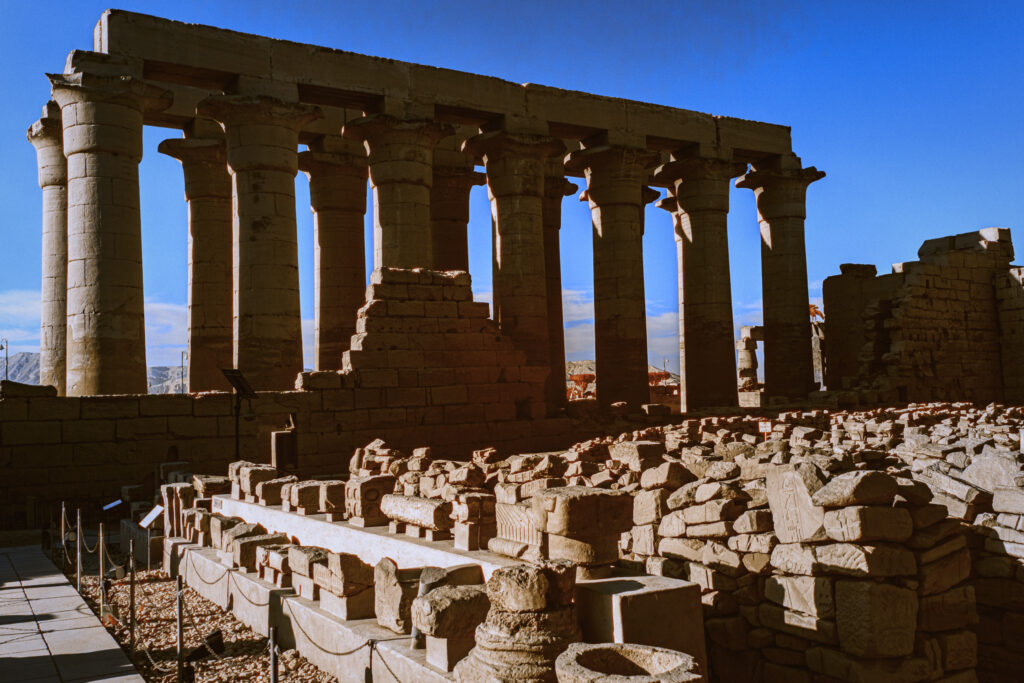
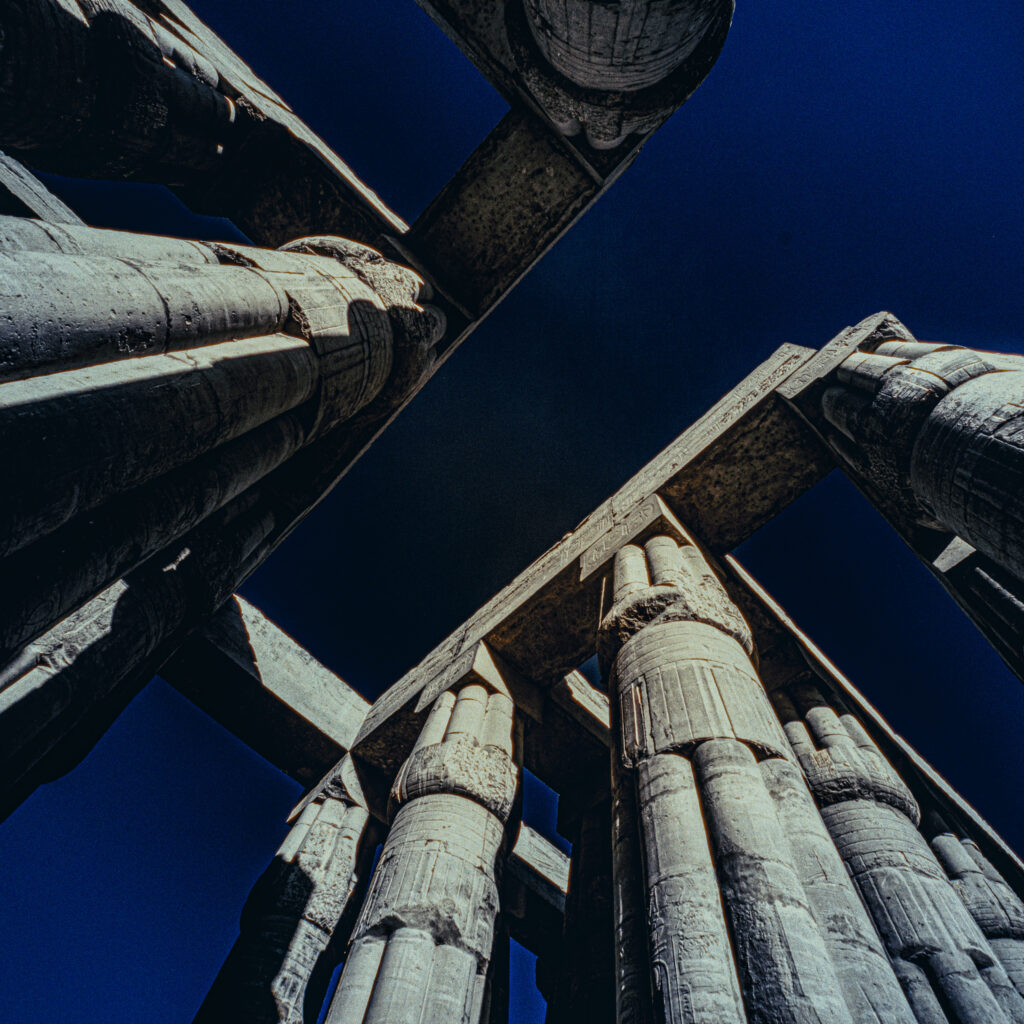
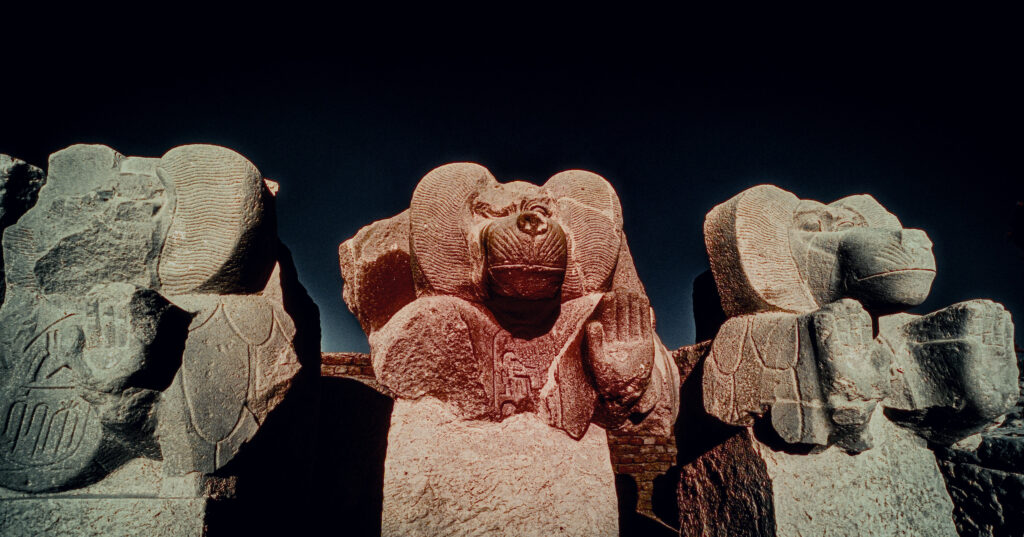
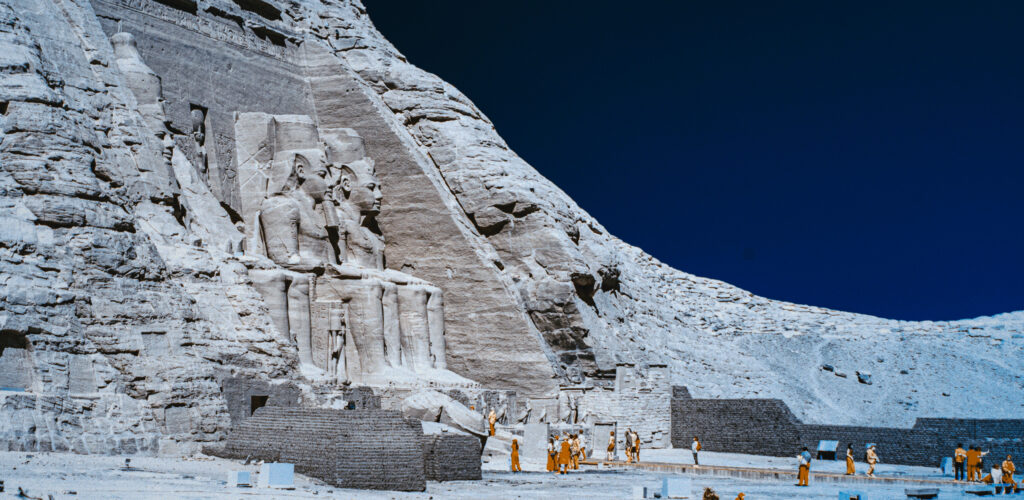
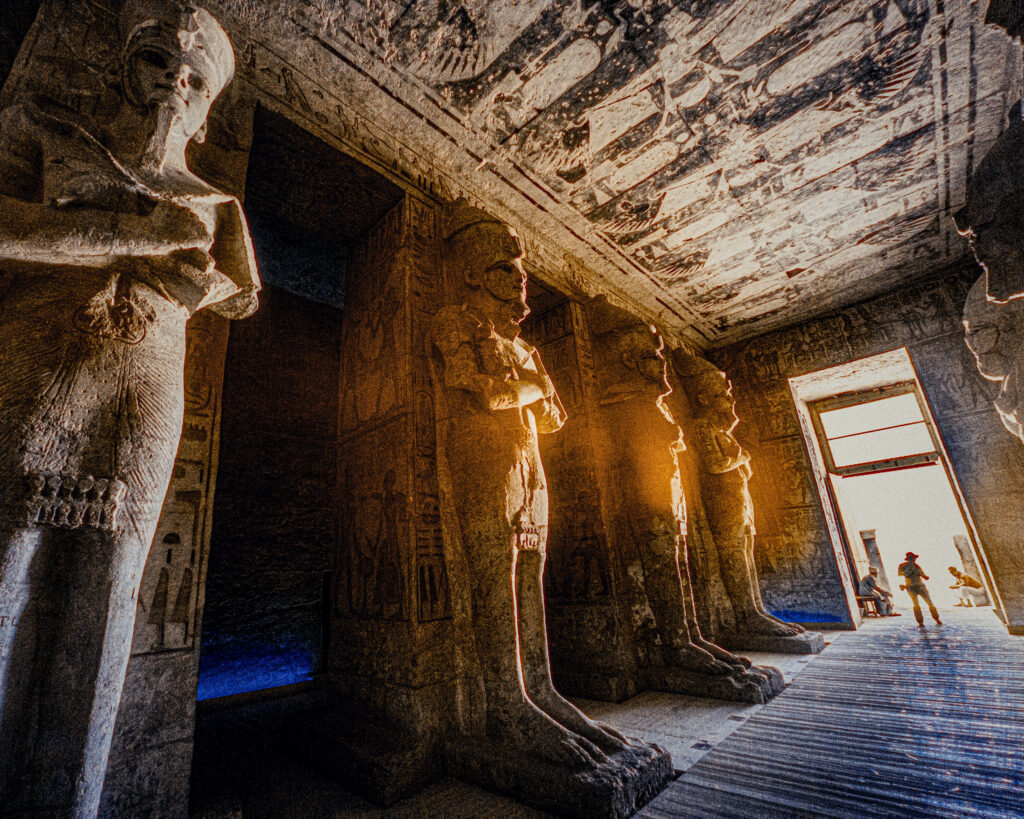
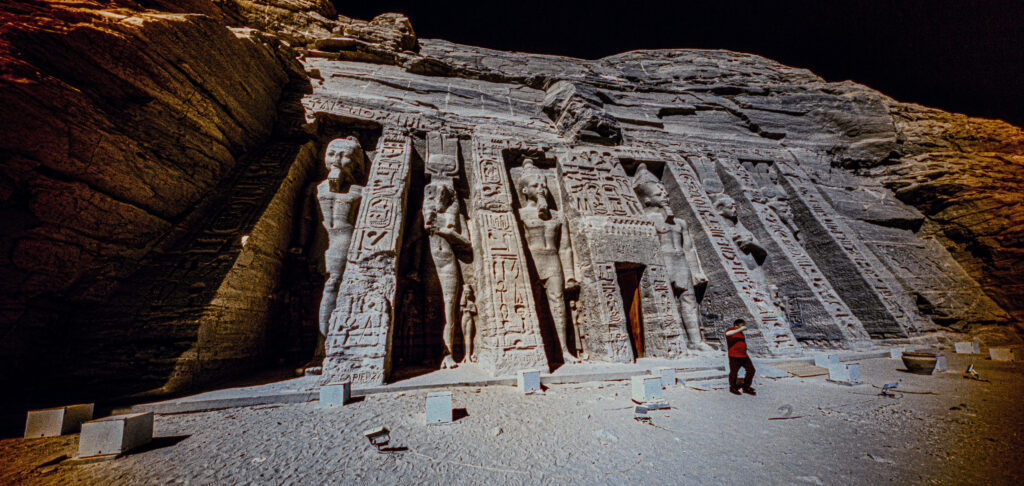
Giza · Karnak · Luxor · Ramesseum · Abu Simbel · Egypt · January 2023 · infrared, false color · IRChrome
The ancient Egyptians believed the most important things are invisible.
Pyramids aligned to stars a builder would never live to see. Temples calculated so that twice a year the sun would travel sixty meters into solid rock to light the faces of gods. The afterlife mapped with such precision a soul could navigate it from memory. It was the first systematic attempt to see what the eye cannot — without instruments, using geometry, astronomy, and ritual.
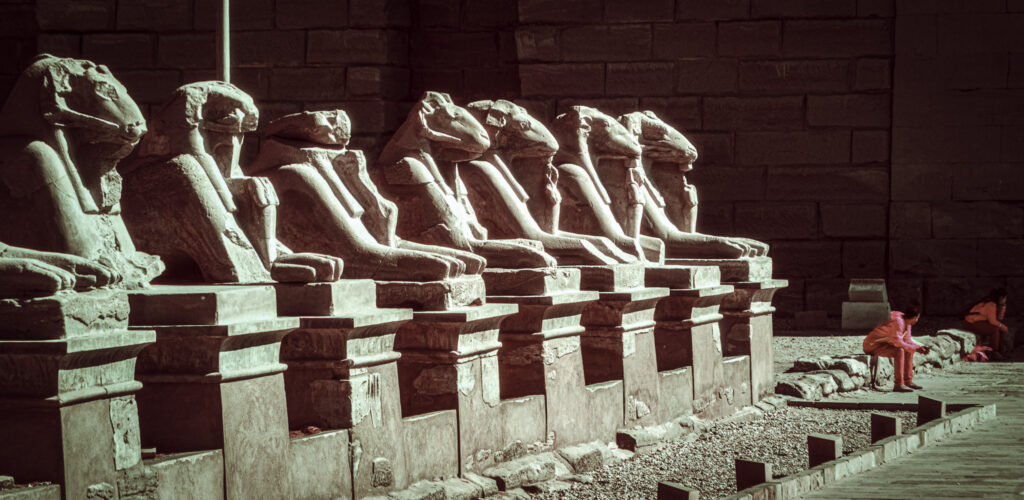
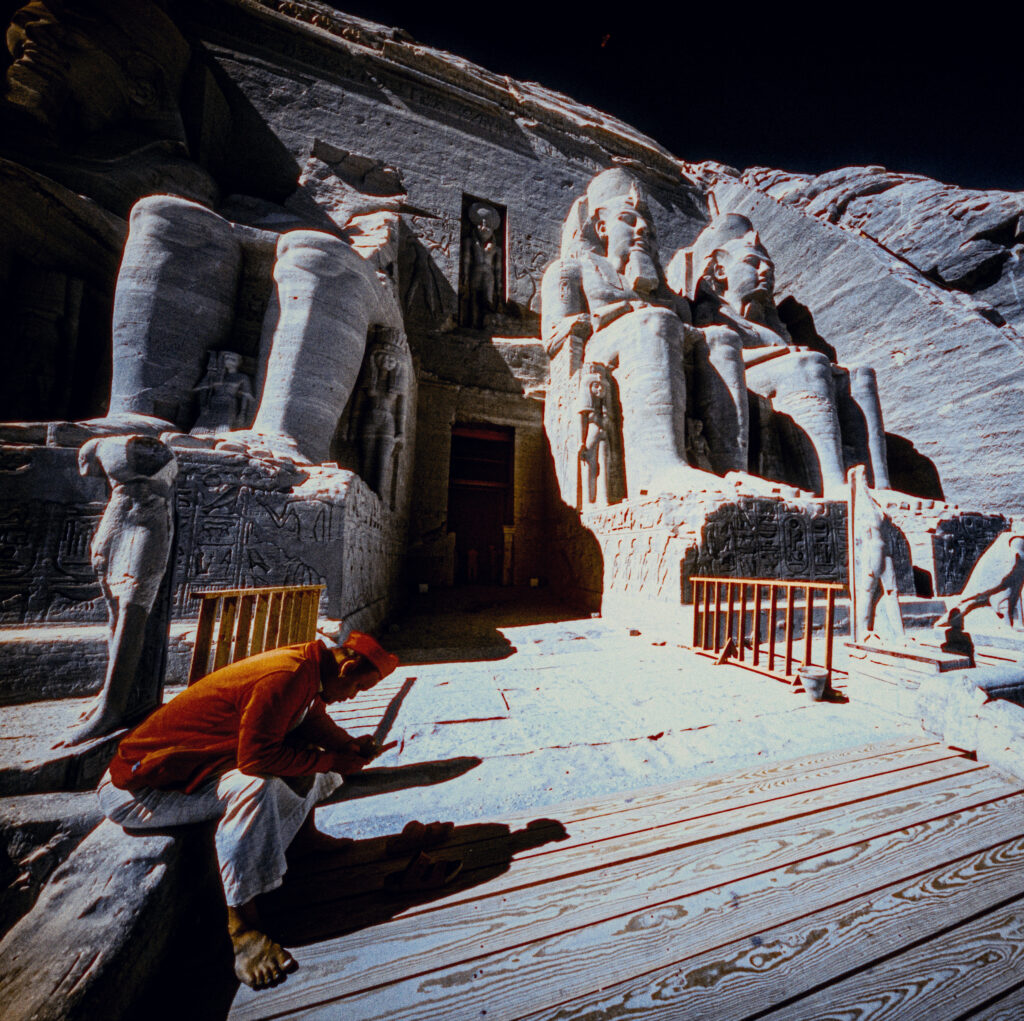
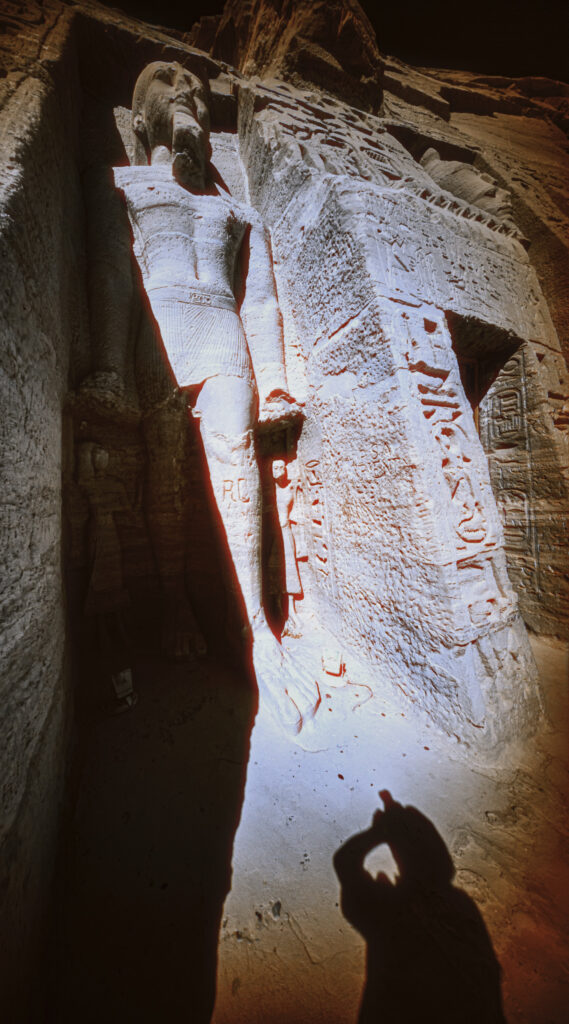
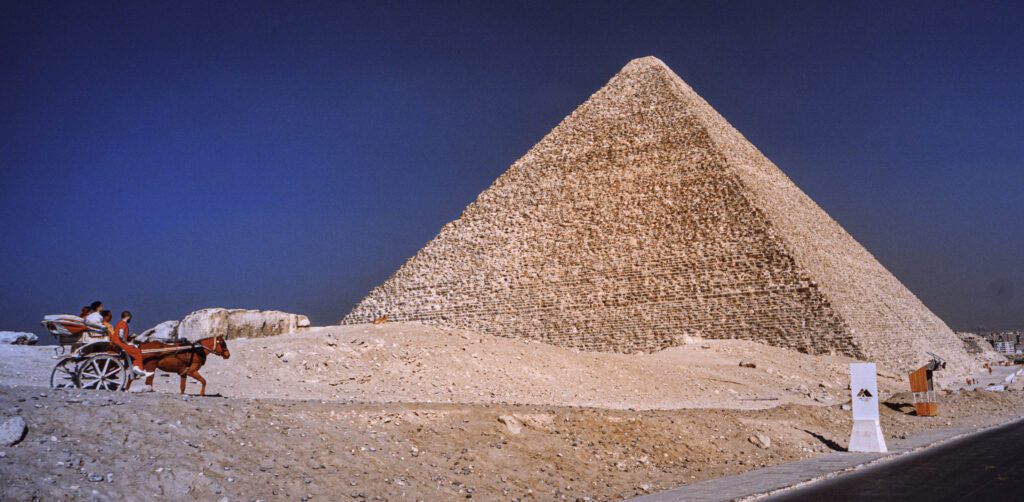
We answer them in kind. Petrography has shown the blocks of the Great Pyramid are nummulitic limestone — the compressed floor of a vanished sea: the only wonder of the ancient world still standing is built from fossils tens of millions of years old. Seventy years of excavation, from 1949 to 2011, returned Luxor’s avenue of sphinxes — two and seven-tenths kilometers, one thousand and fifty-seven statues between Karnak and Luxor Temple. And when UNESCO engineers sawed Abu Simbel into blocks in 1968 and raised it above the future reservoir, the solar miracle survived the move — shifted by exactly one day. The light still reaches the sanctuary twice a year, on February 22 and October 22, and still illuminates three of the four gods. Ptah, god of the dead, remains in shadow, as he has for three thousand years.
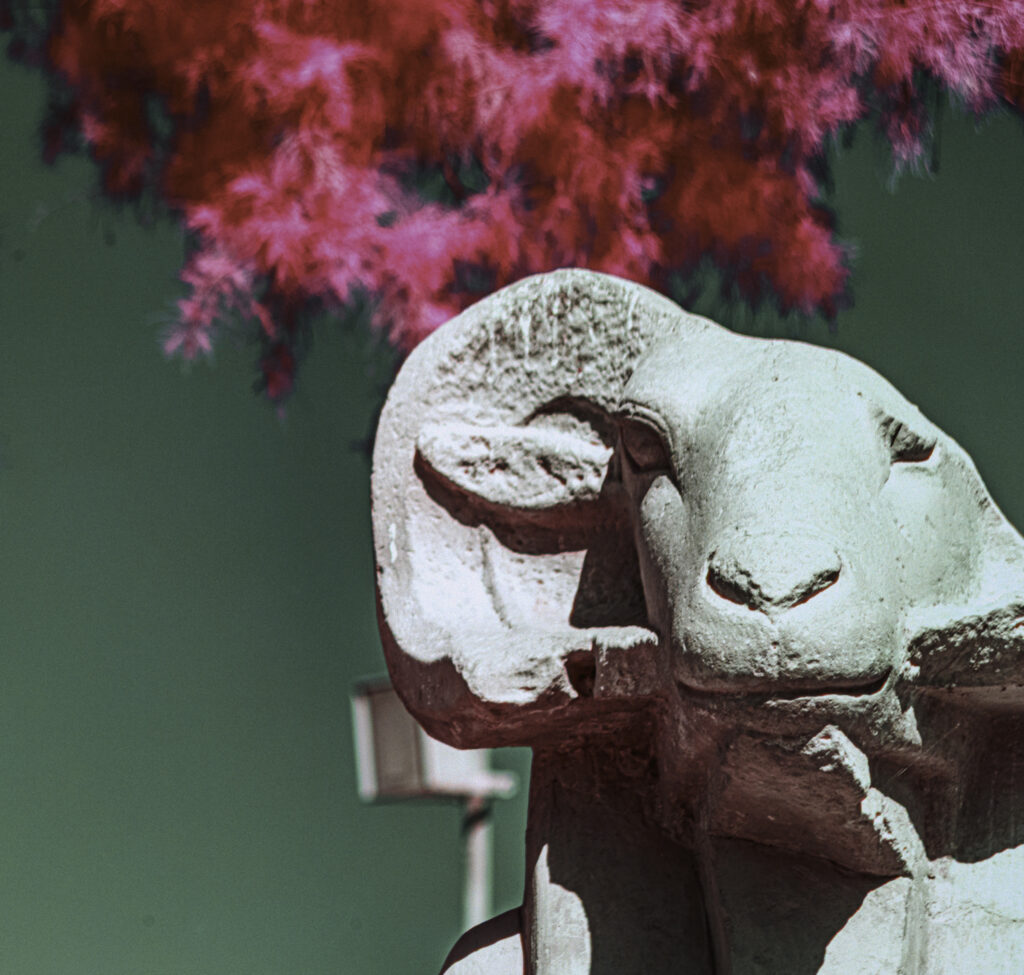
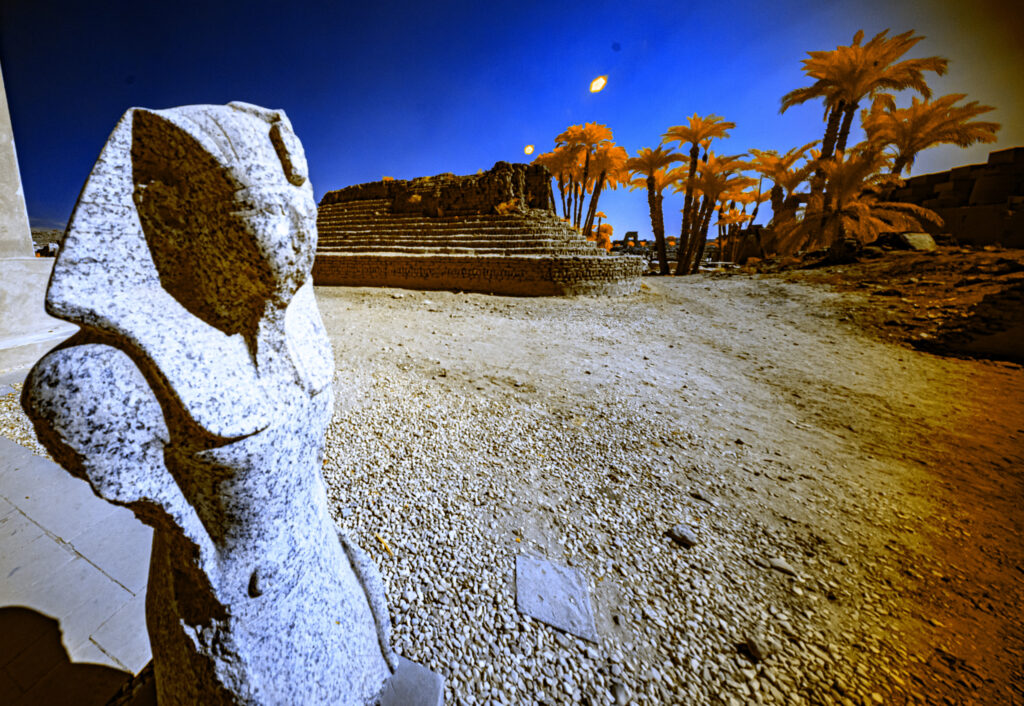
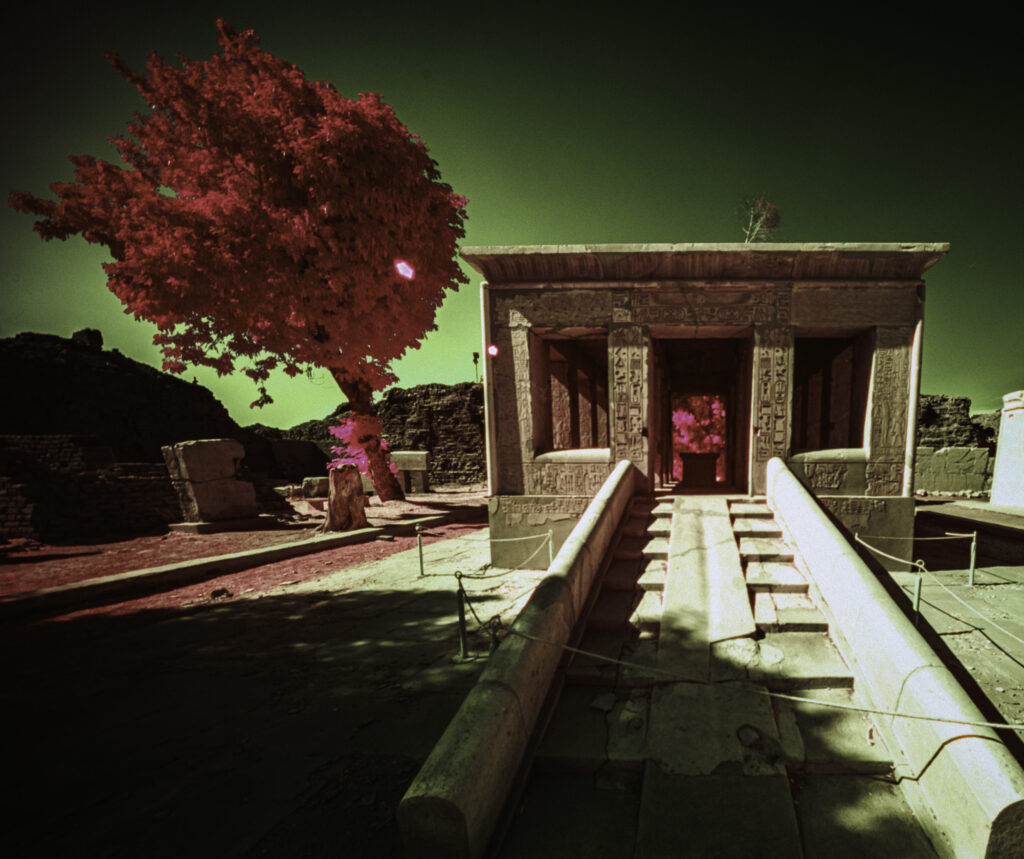
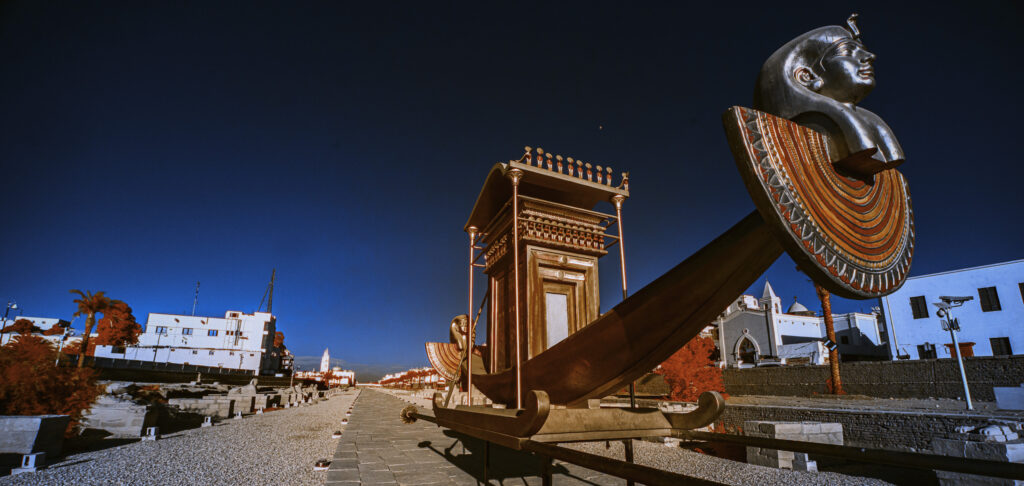
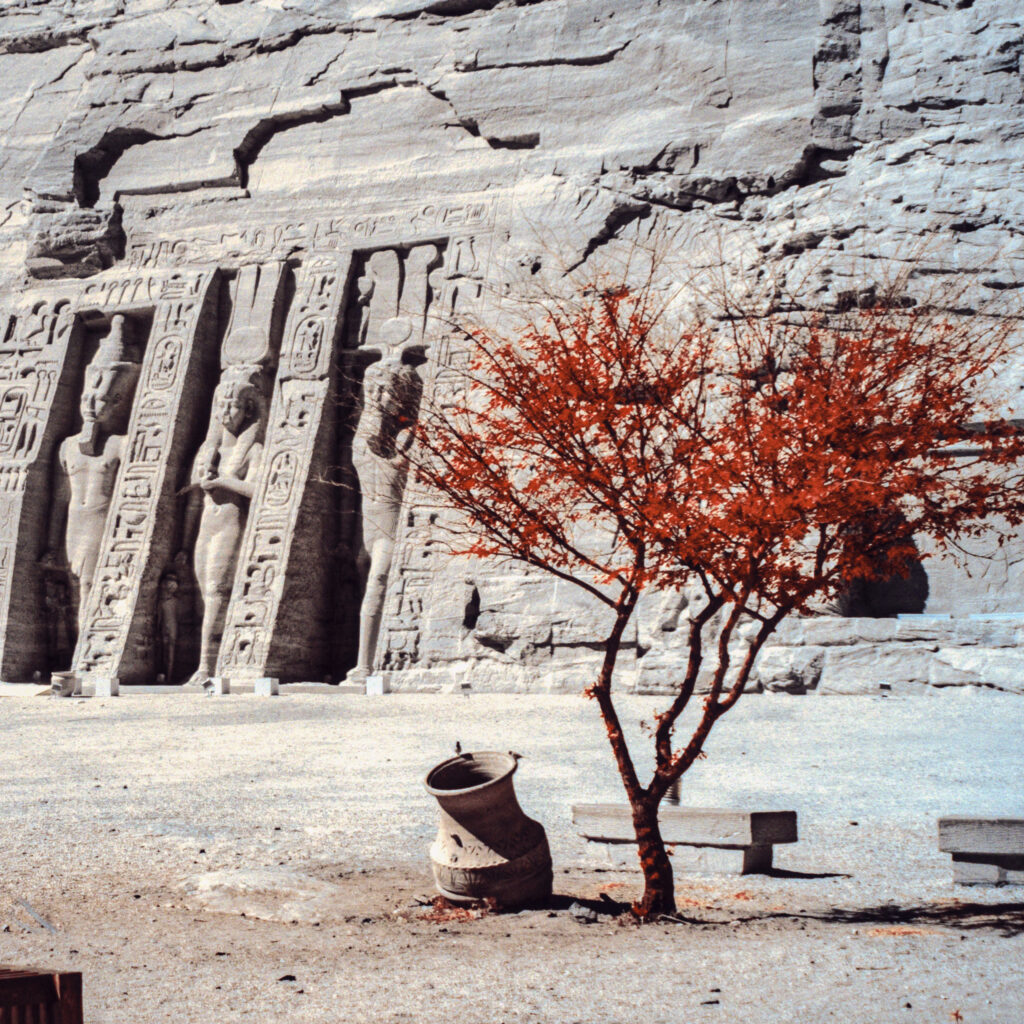
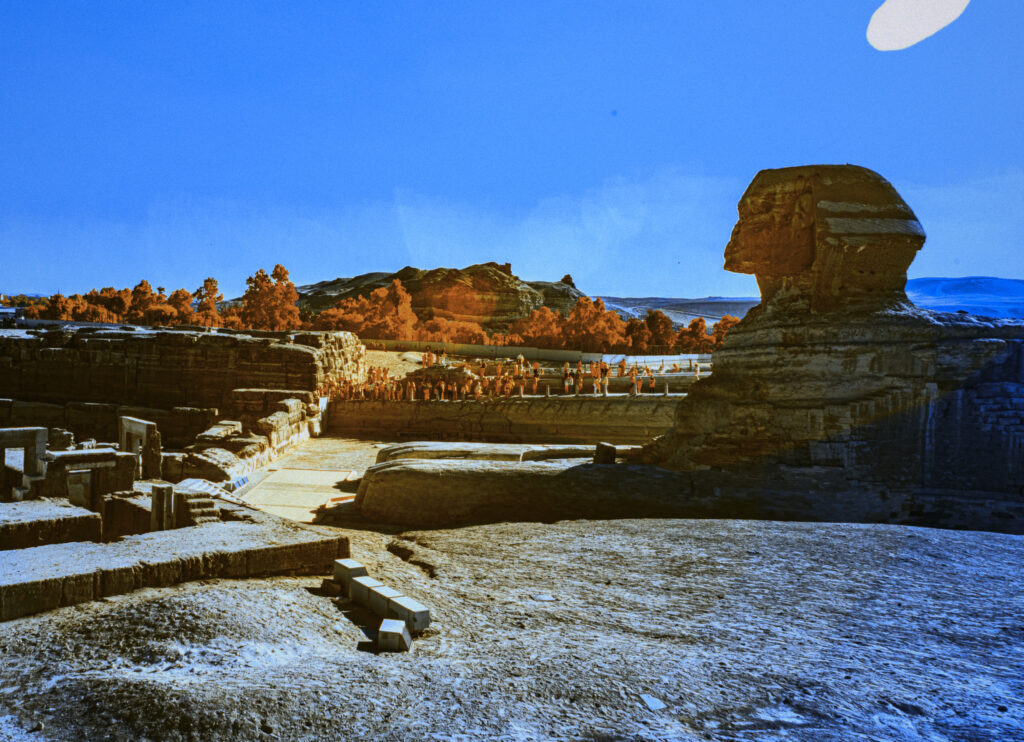
A photographer’s eye paired with a full-spectrum camera is an instrument from the same family as a geologist’s ground-penetrating radar or a petrographer’s microscope — only this one returns an image instead of a report. Infrared was never part of the builders’ design, and yet the temples work in it anyway. Leaves above the avenue of sphinxes flare crimson, granite stays granite, and the difference between stone and the living becomes visible — as a difference in radiation.
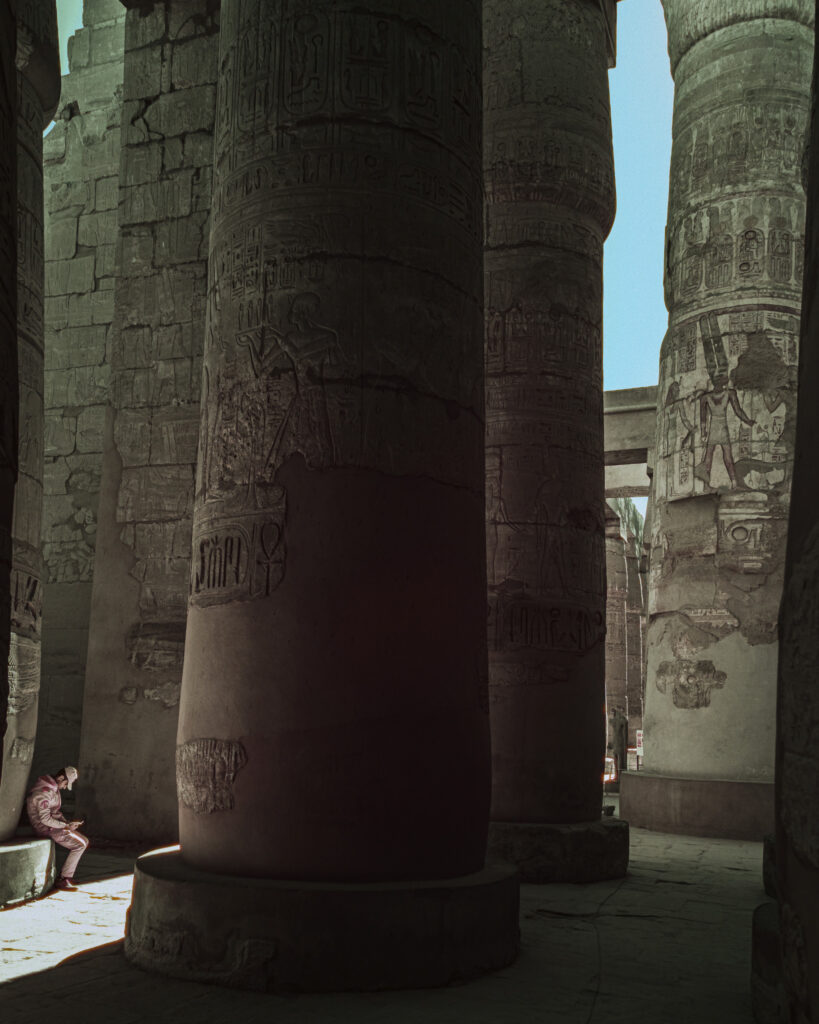
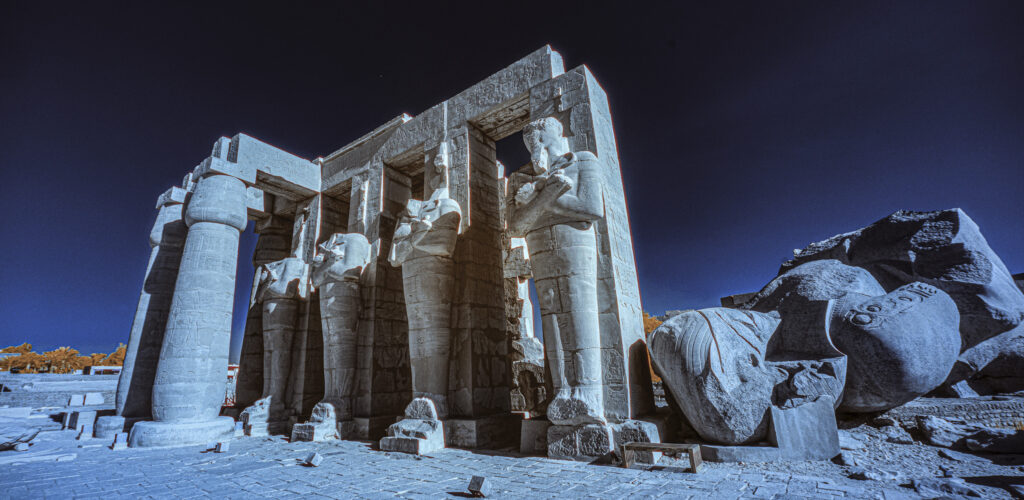
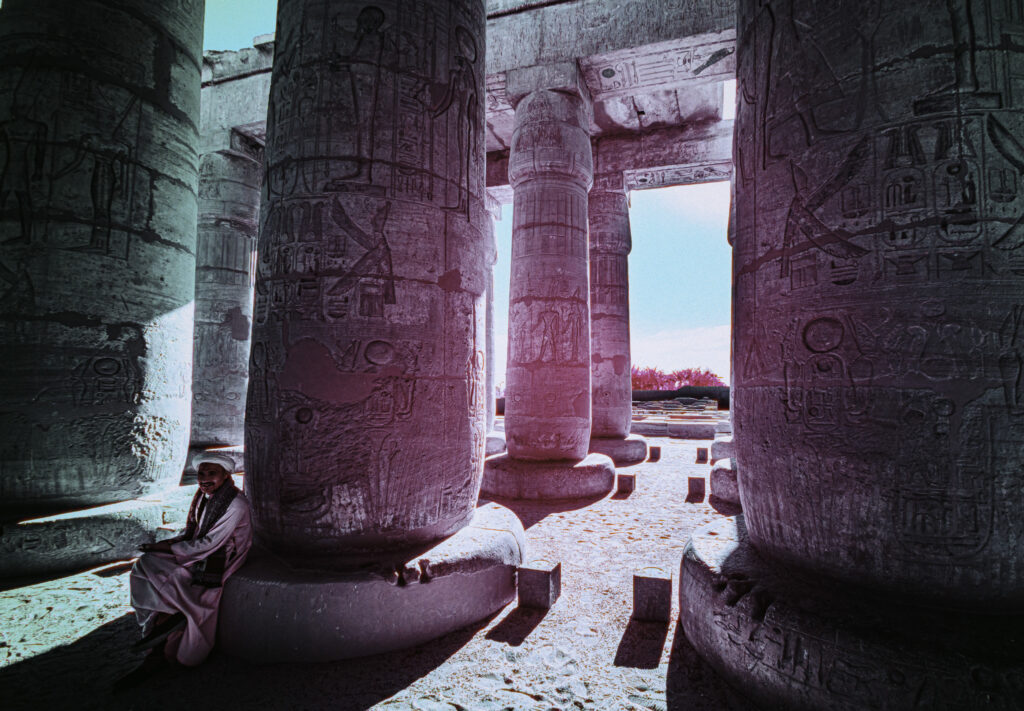
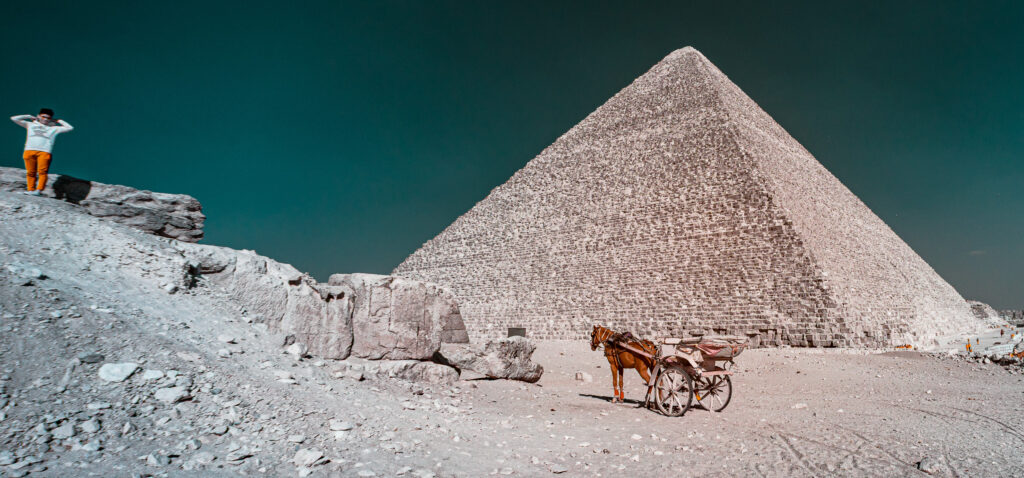
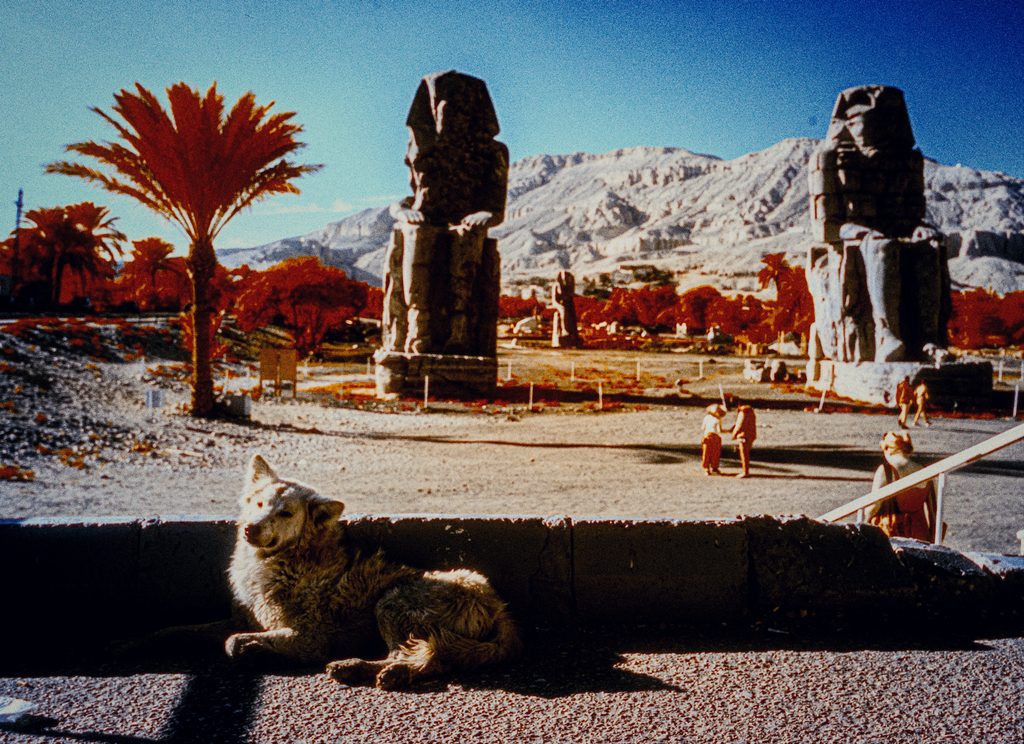
Alongside the stone, the frame catches what no guidebook mentions. A dog dozes in the shadow of the Colossi of Memnon. The Ramesseum’s caretaker sits by columns that outlasted Ozymandias. Tourists in orange pose against the Sphinx; a horse and carriage wait for riders at the foot of a pyramid. Eternity here keeps office hours — it gets swept, guarded, photographed, and rented out by the hour.
Egyptologist Andrey Bolshakov showed that the reliefs of ancient Egyptian tombs are strictly realistic: not a fantastical other-world, but the daily life of the country as it was, projected into eternity. An Egyptian did not believe in a bodiless soul — his Ka-double needed bread, beer, boats, and servants. If so, these frames continue the canon. A horse, a carriage, a selfie stick, an orange safety vest — the everyday life of a country, projected into eternity by whatever means were at hand.
Of the seven wonders of the ancient world, one survives — the Great Pyramid. The modern miracle isn’t that it’s still standing. It’s that we finally saw what it’s made of — and still come to see it.