STORIES
Where the Living Remember the Dead
Valley of the Kings, Luxor, Egypt · infrared
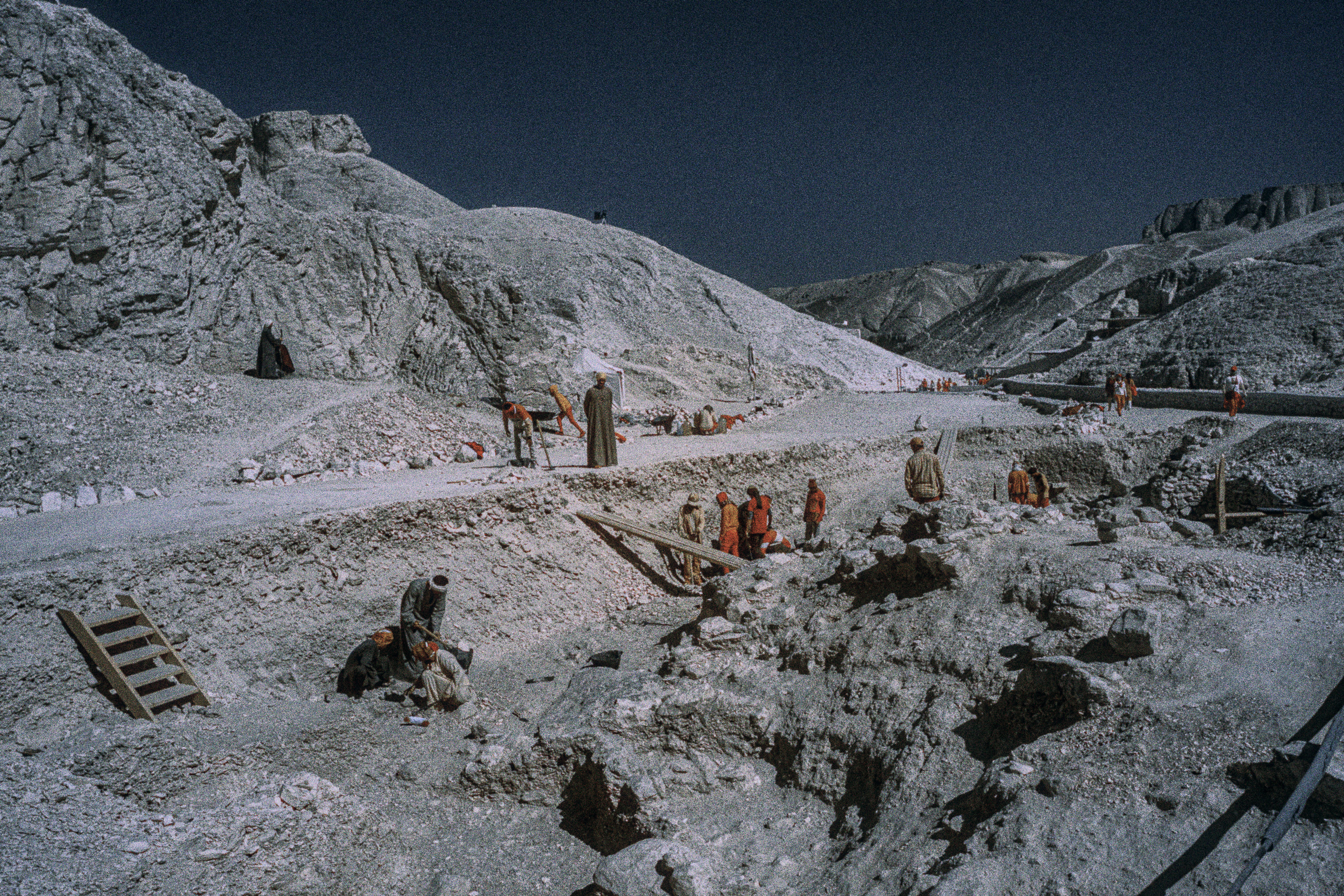
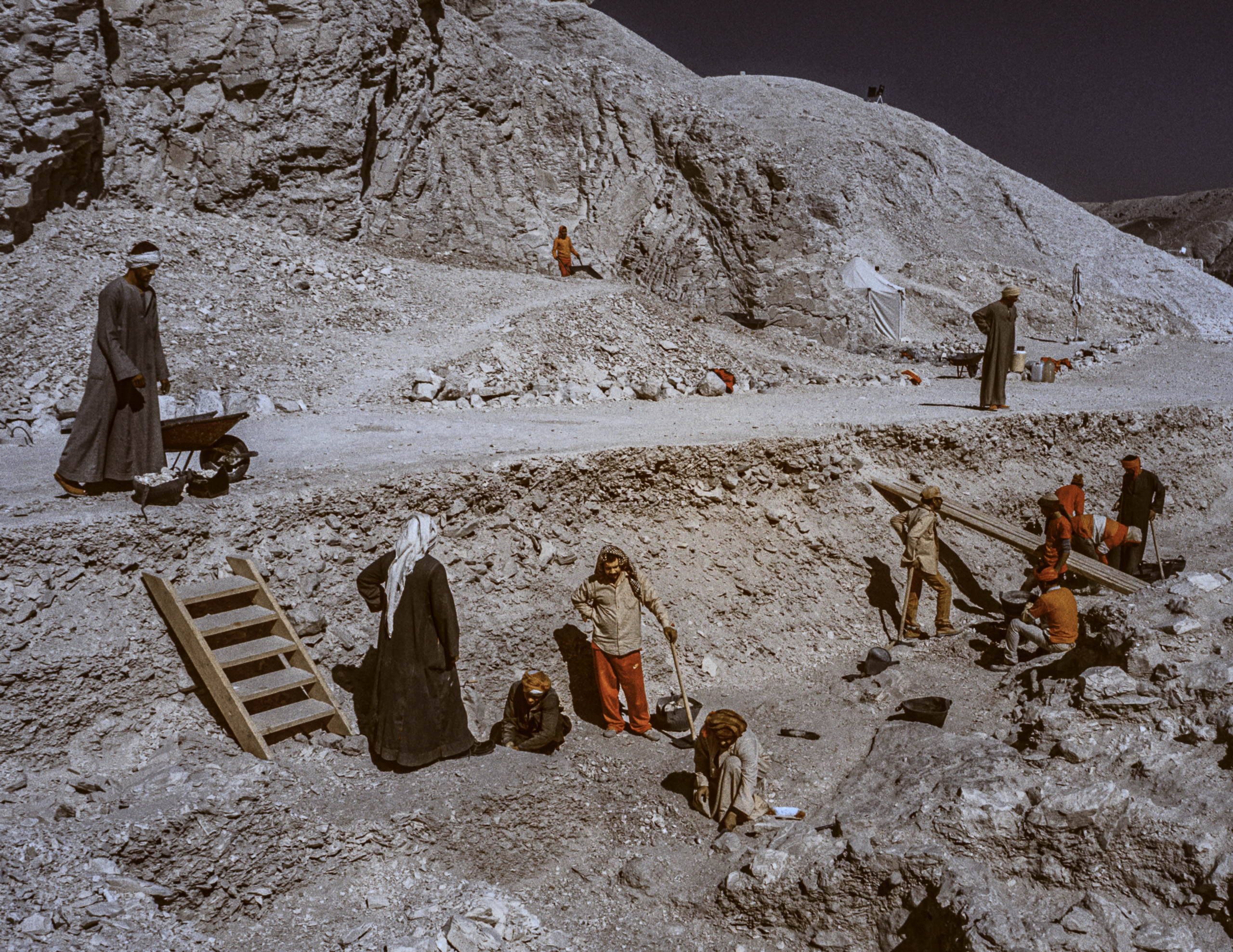
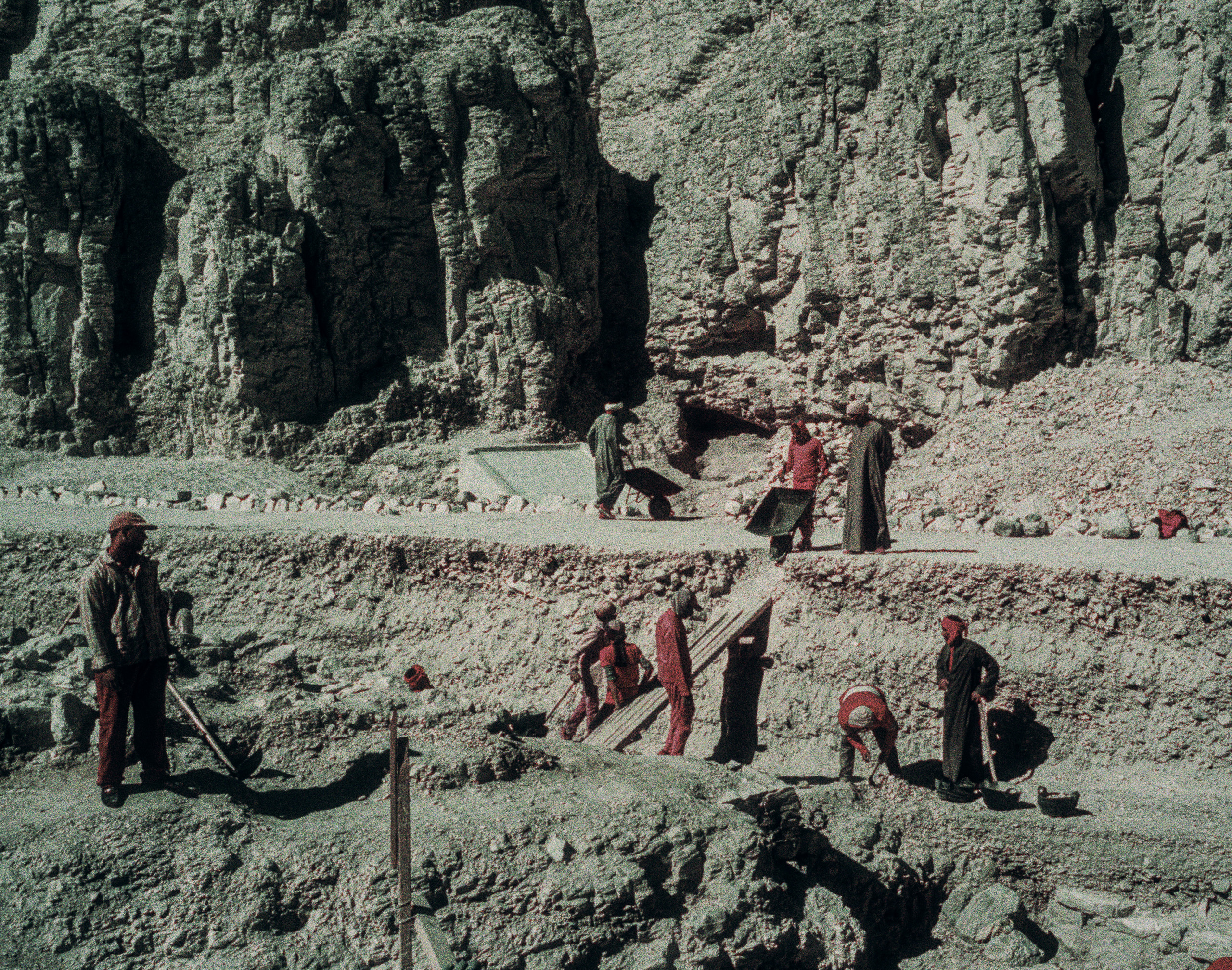
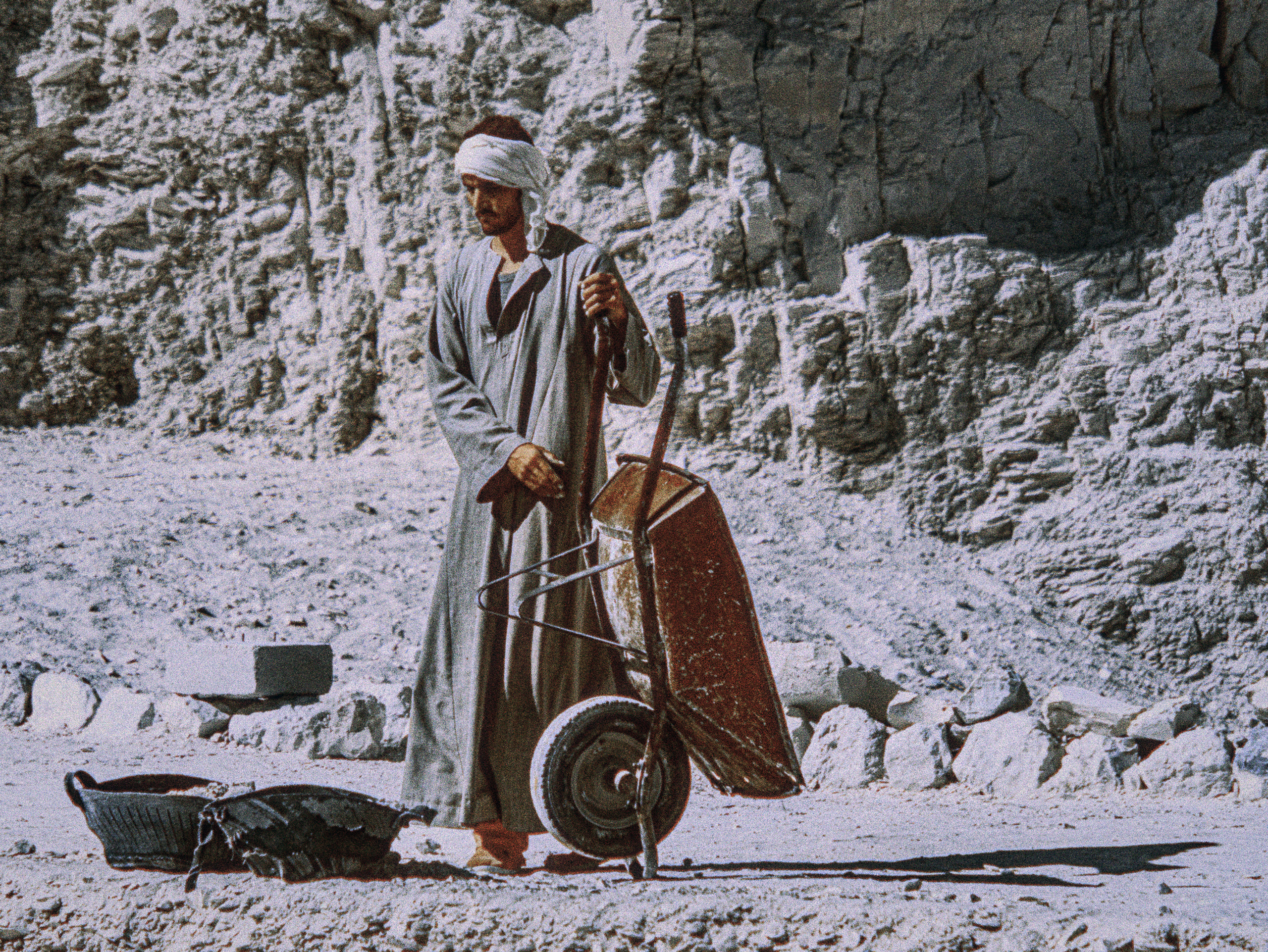
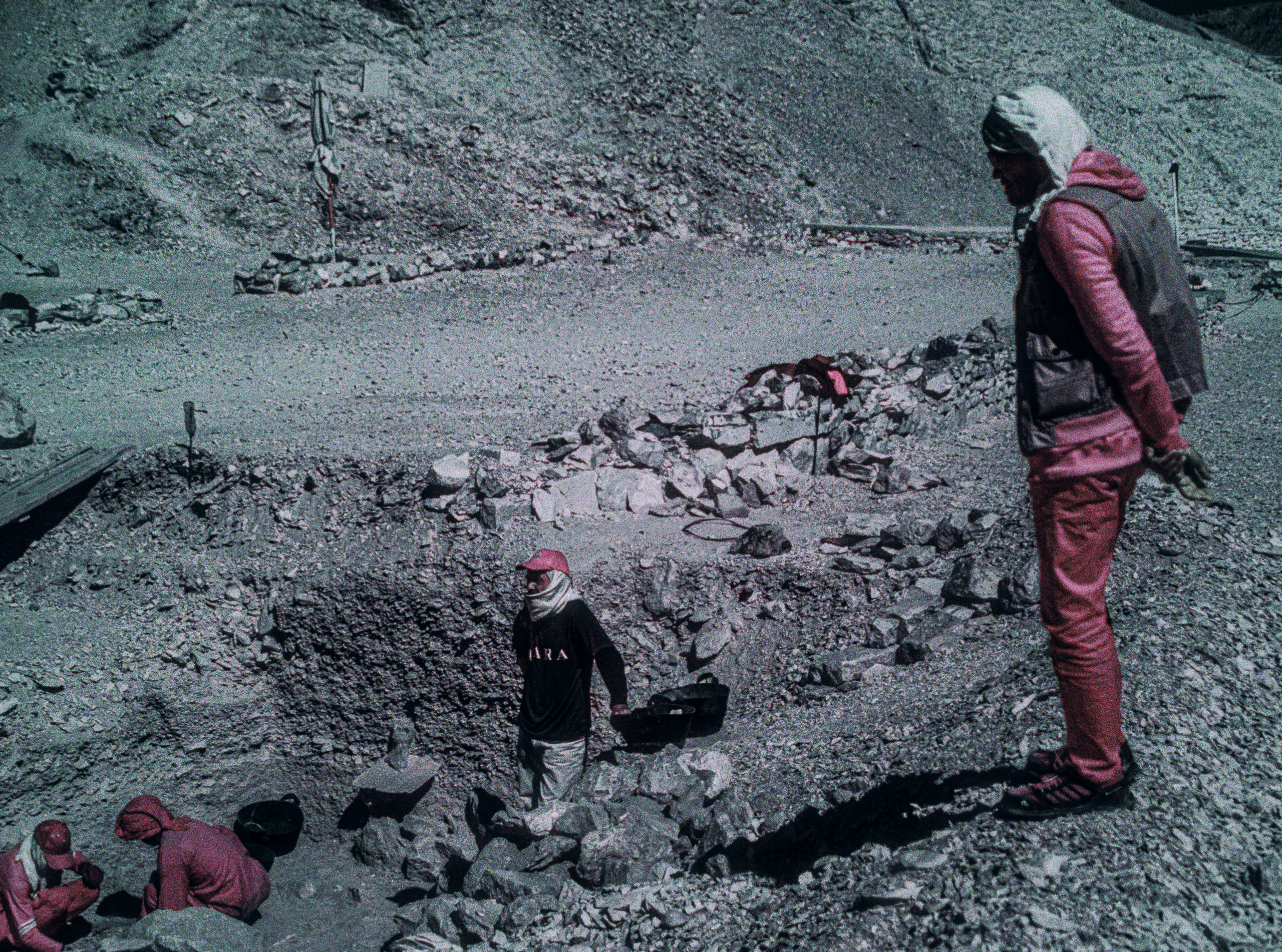
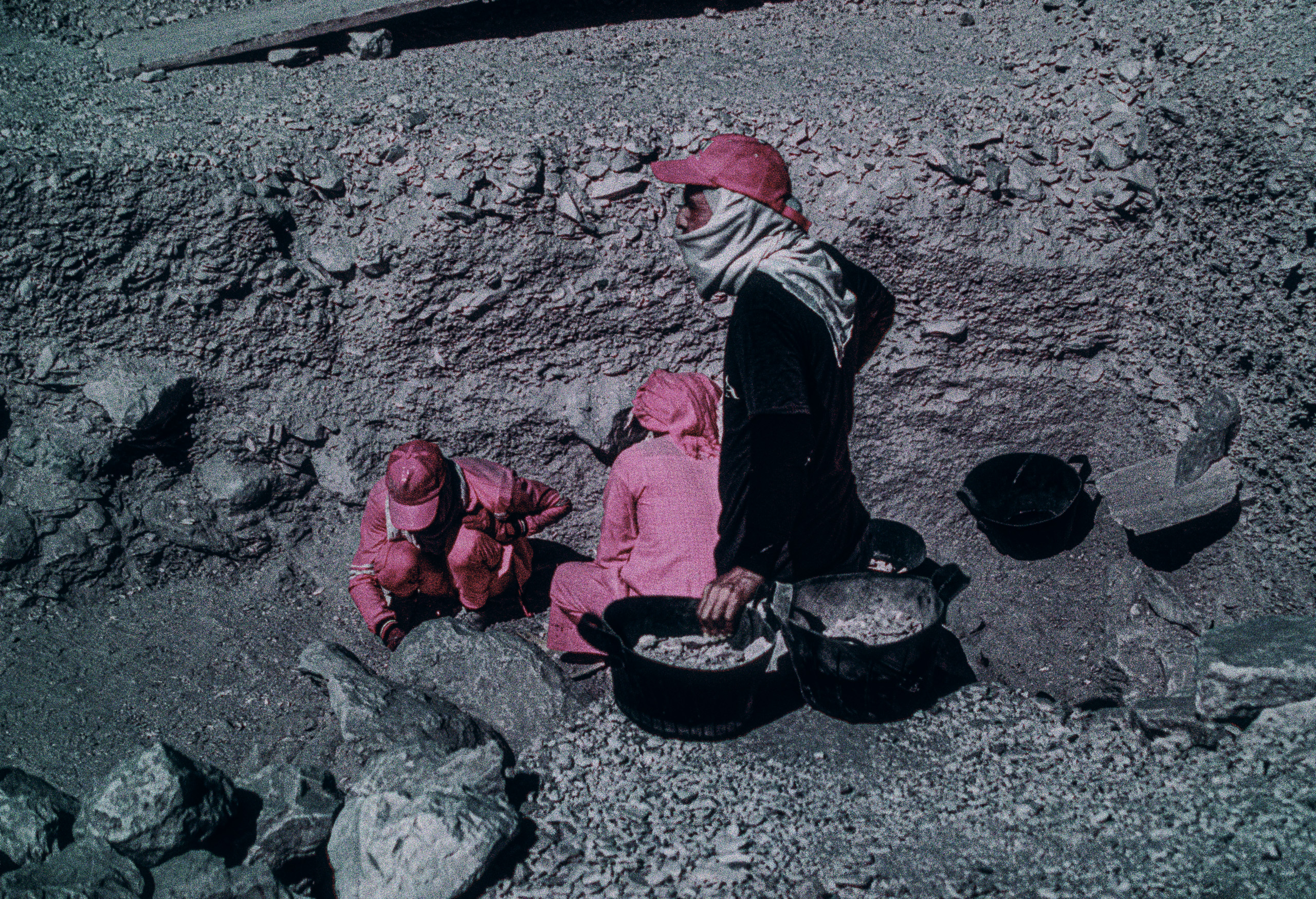
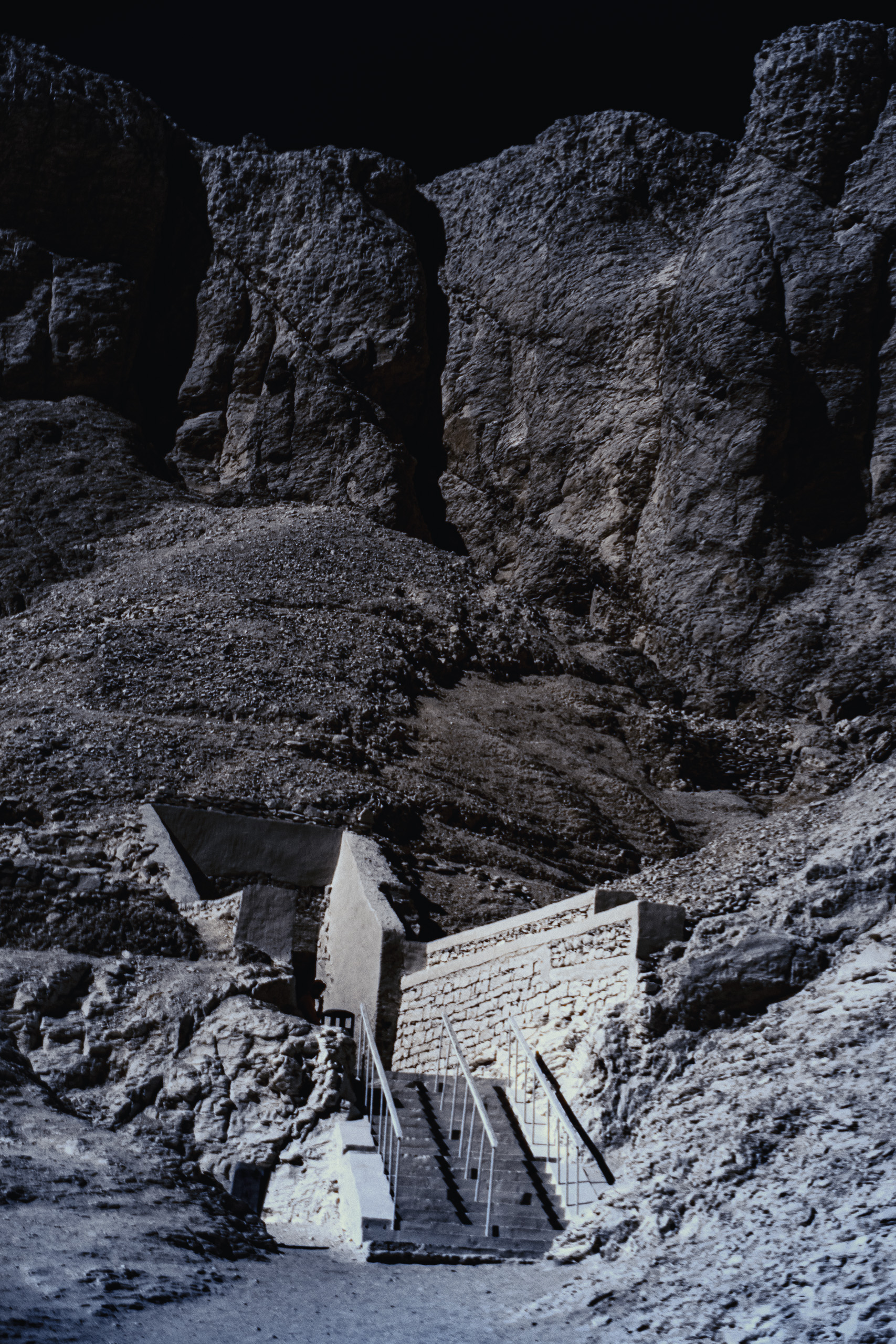
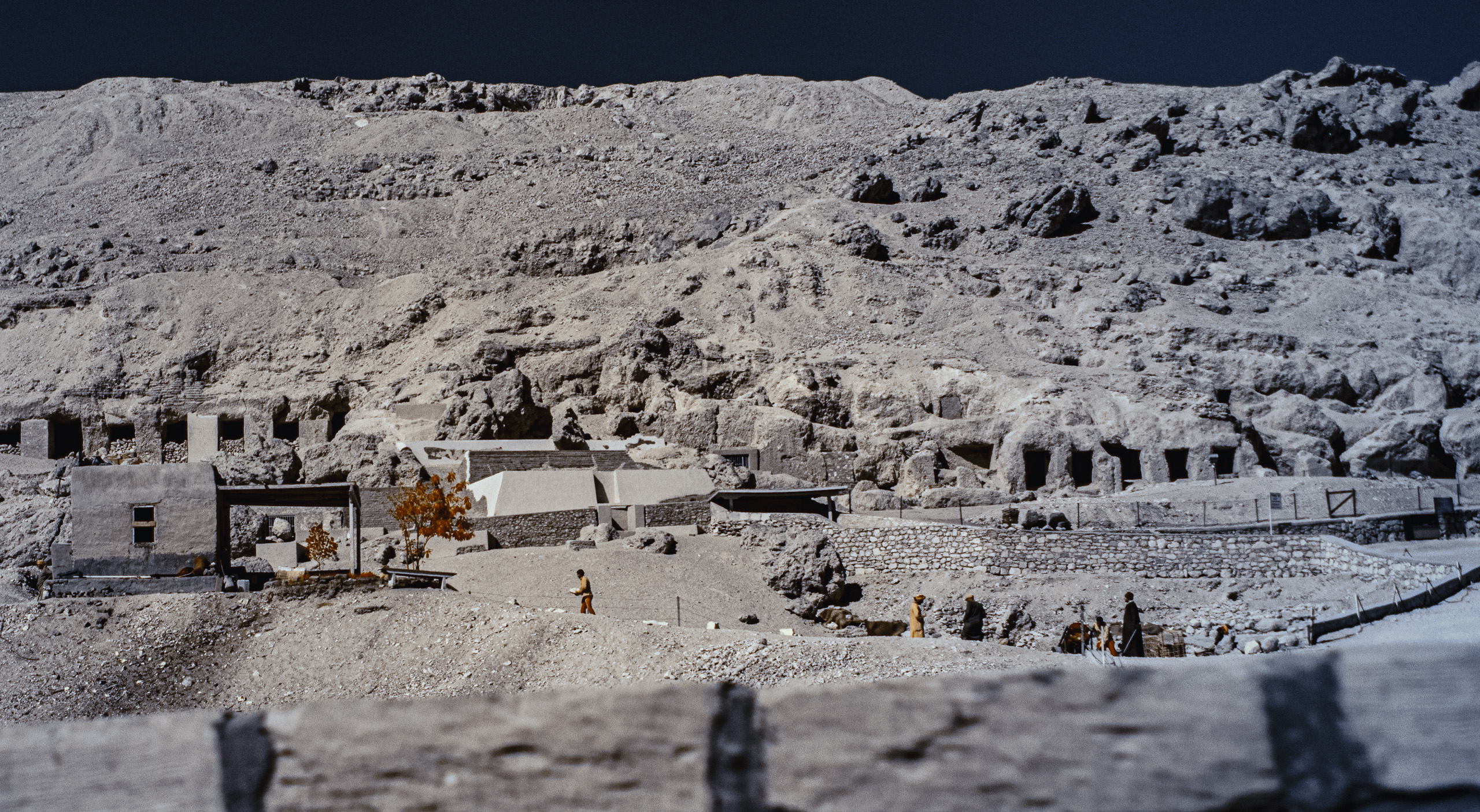
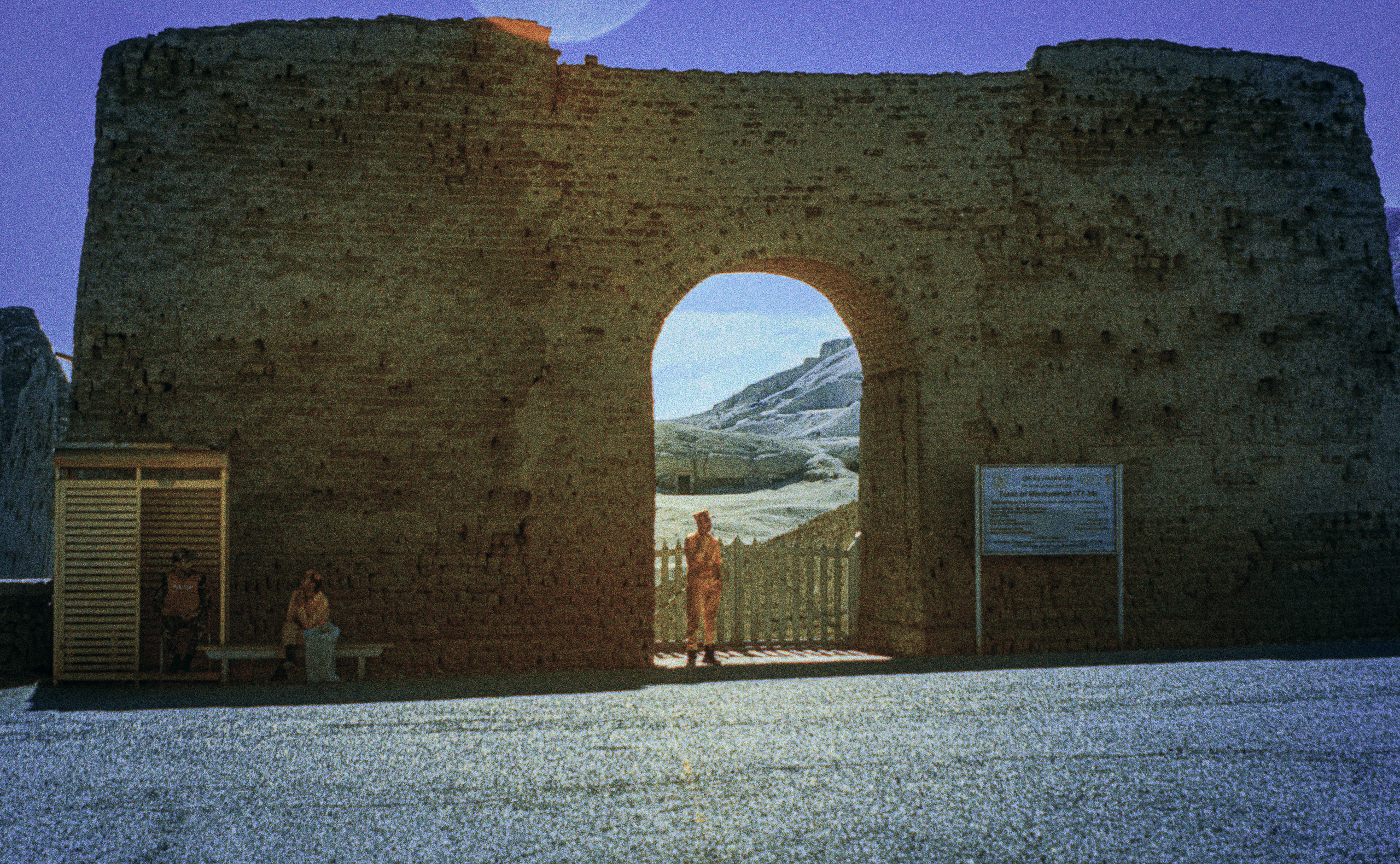
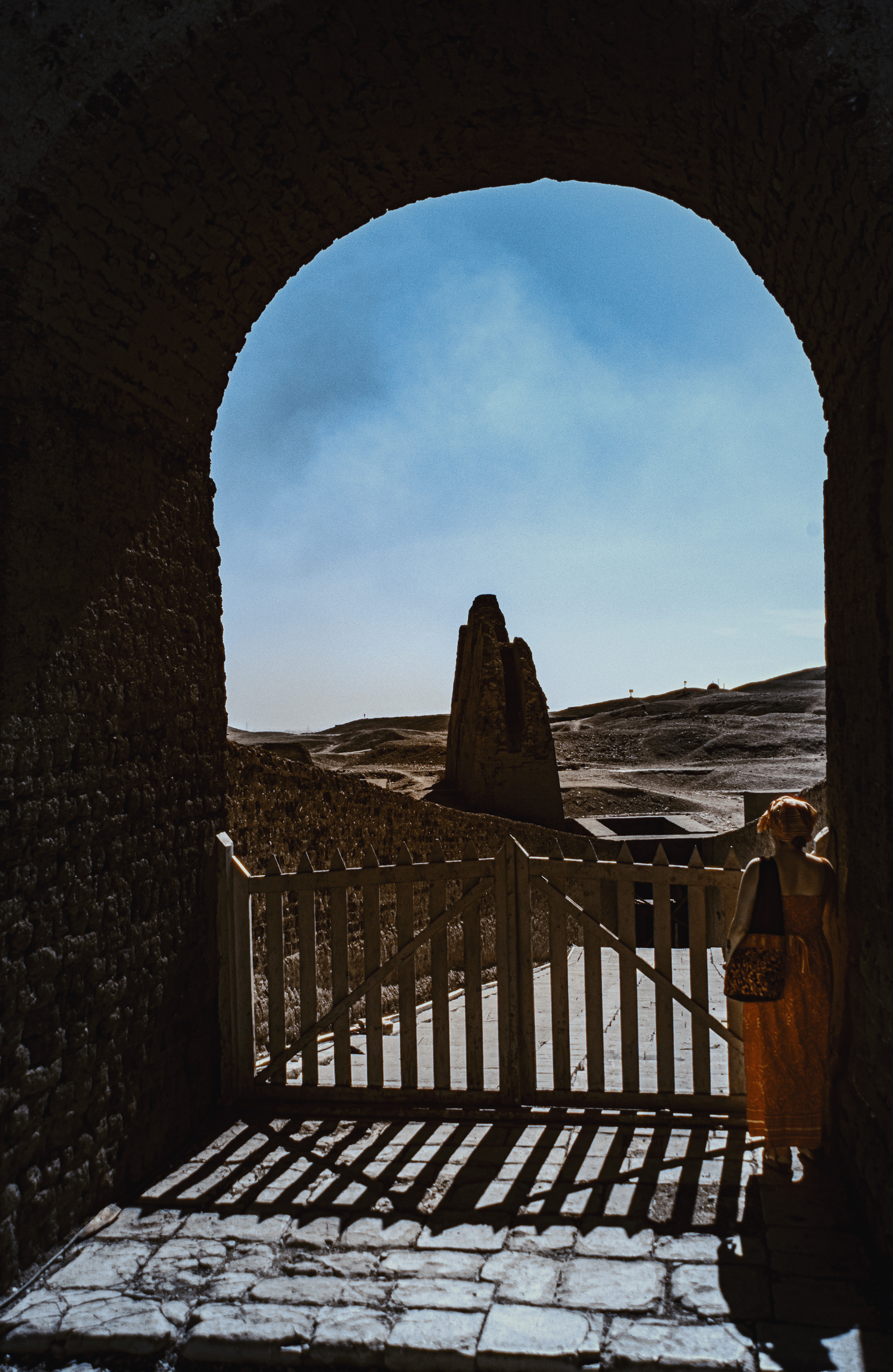
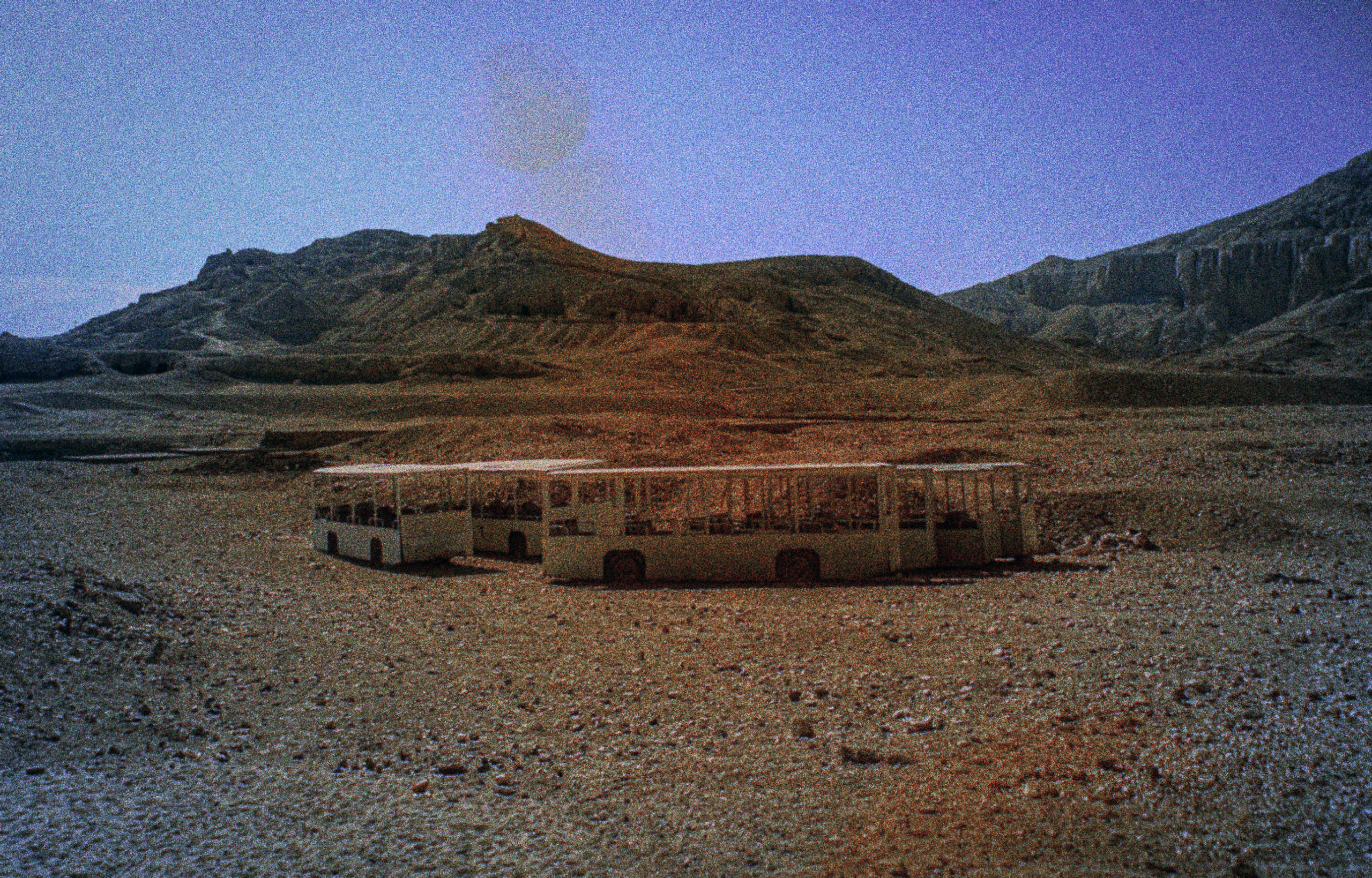
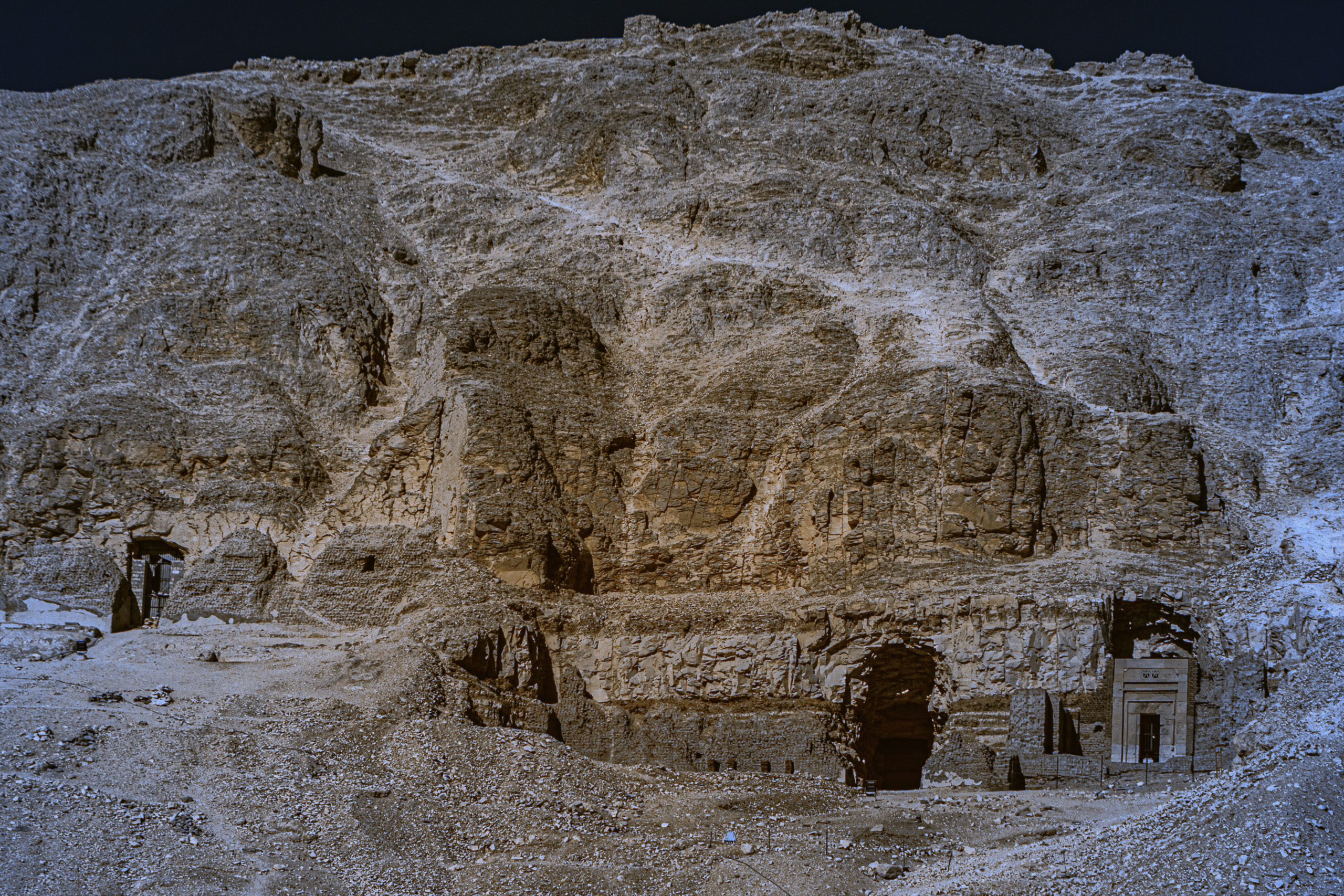
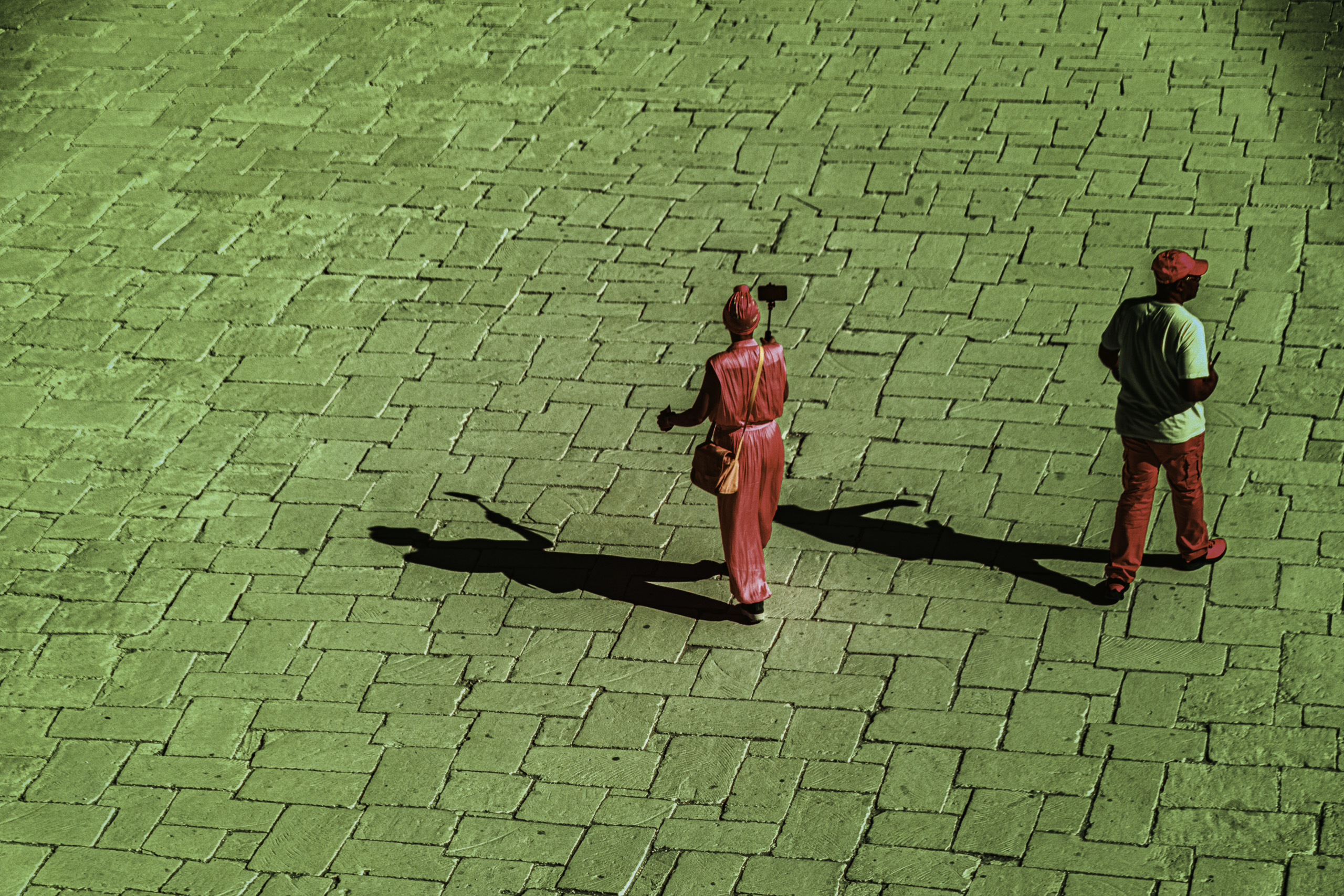
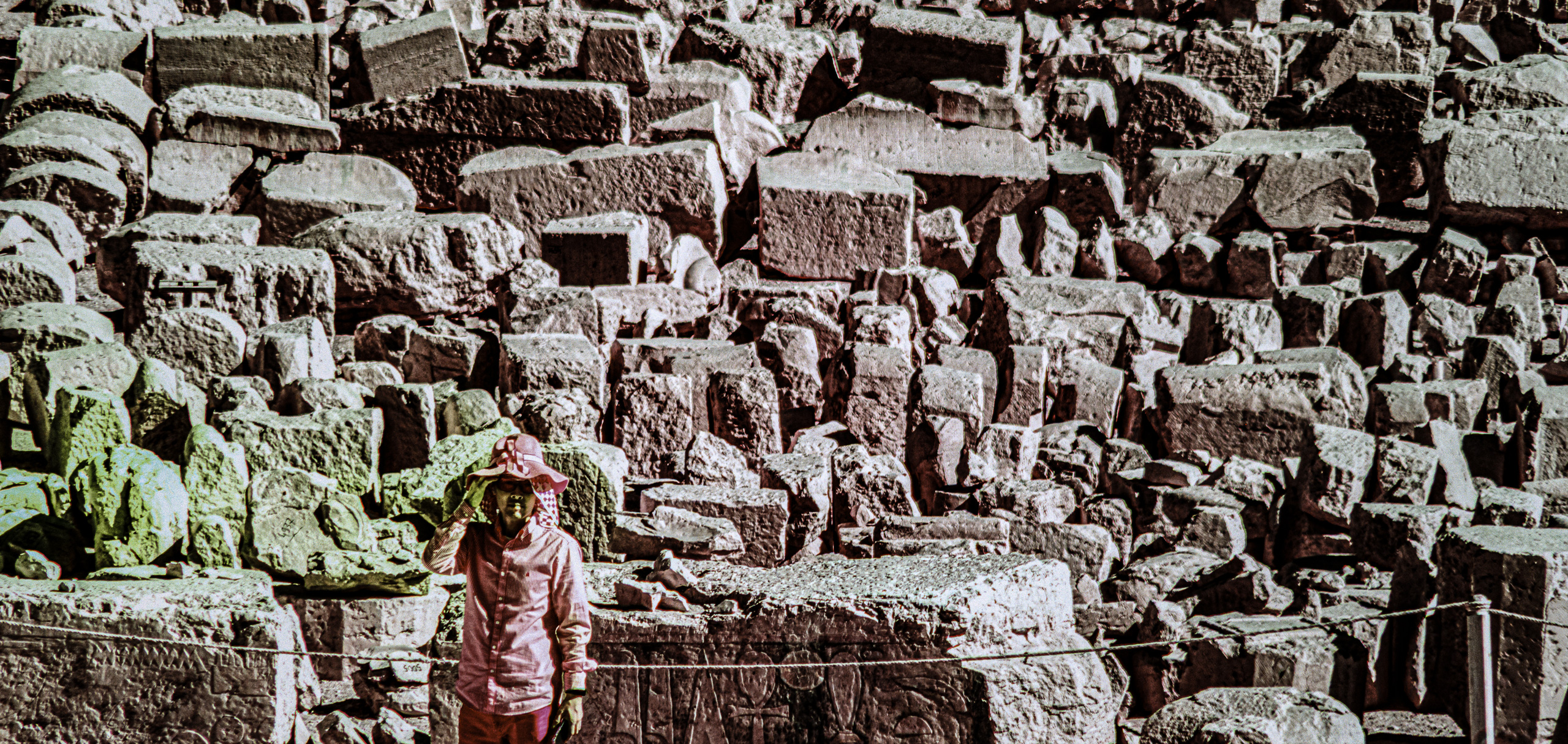
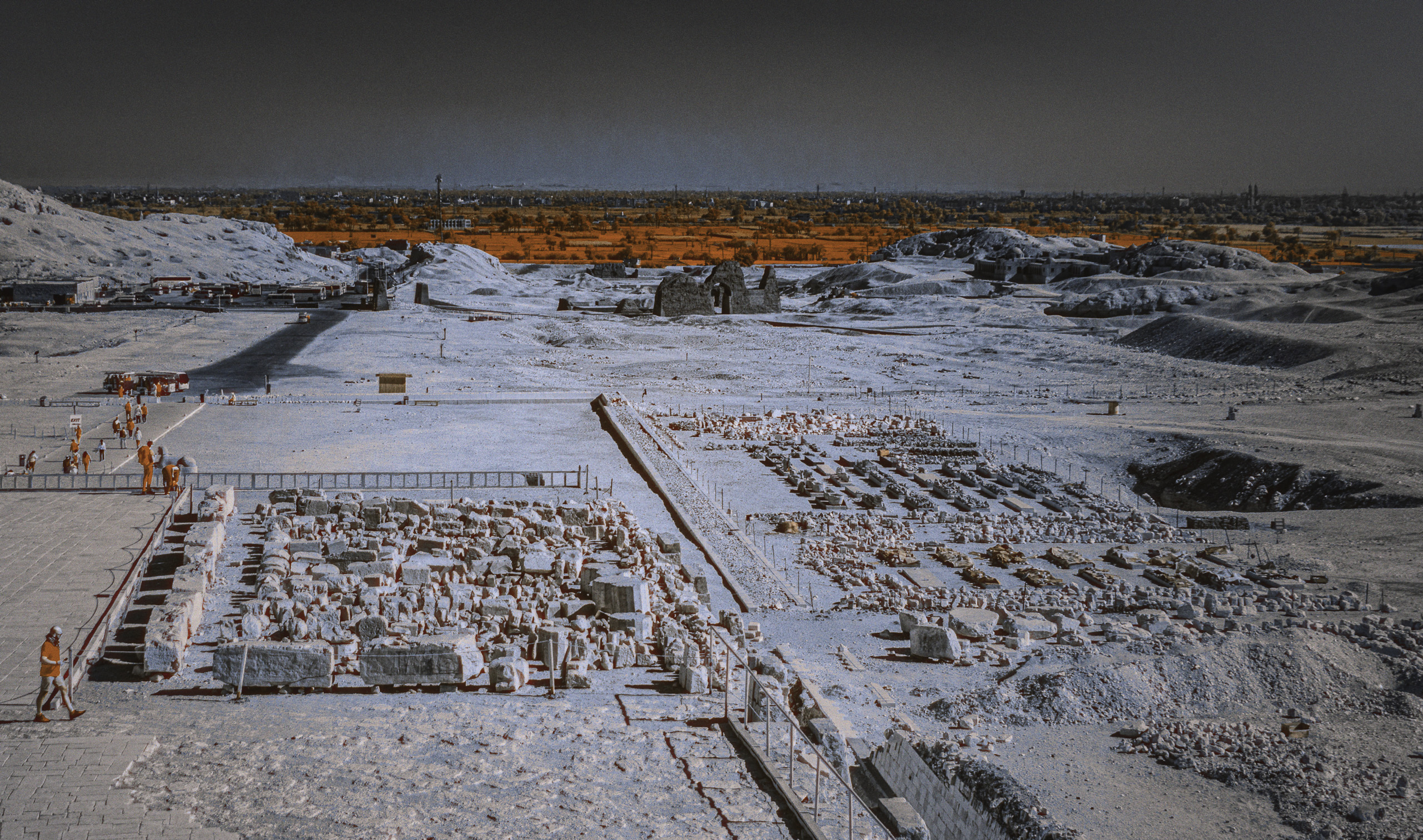
The Valley of the Kings as a working site — archaeologists and fellaheen keeping a passage open between the living and those who went before, seen in infrared.
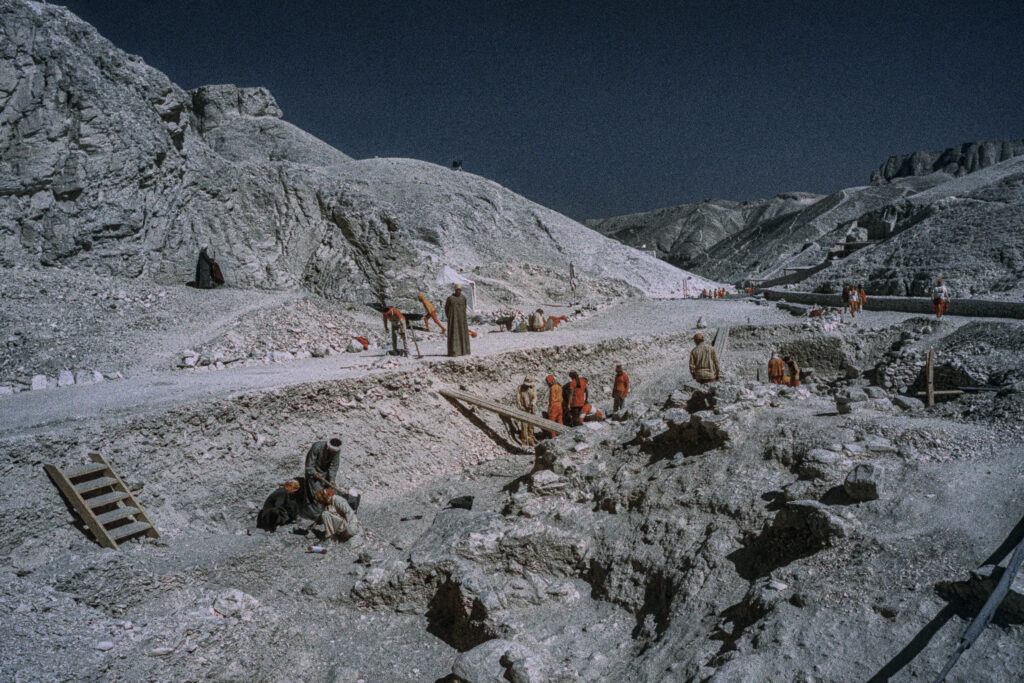
At first glance the Valley of the Kings looks like an empty quarry — limestone slopes, scorched paths, dust raised by wheelbarrows and the morning footsteps of fellaheen. Yet that dust is the working surface of a place that has been read, cleaned and re-read for two centuries. The Valley does not sleep. It is staffed.
For some five hundred years, beginning in the early 16th century BCE, the rulers of the New Kingdom abandoned the pyramid and moved their burials into this narrow wadi behind the cliffs of western Thebes. The choice was less about secrecy than about geometry: the pyramid-shaped peak of El-Qurn rises naturally above the necropolis and provides the cosmic landmark that the older built pyramids had supplied artificially.
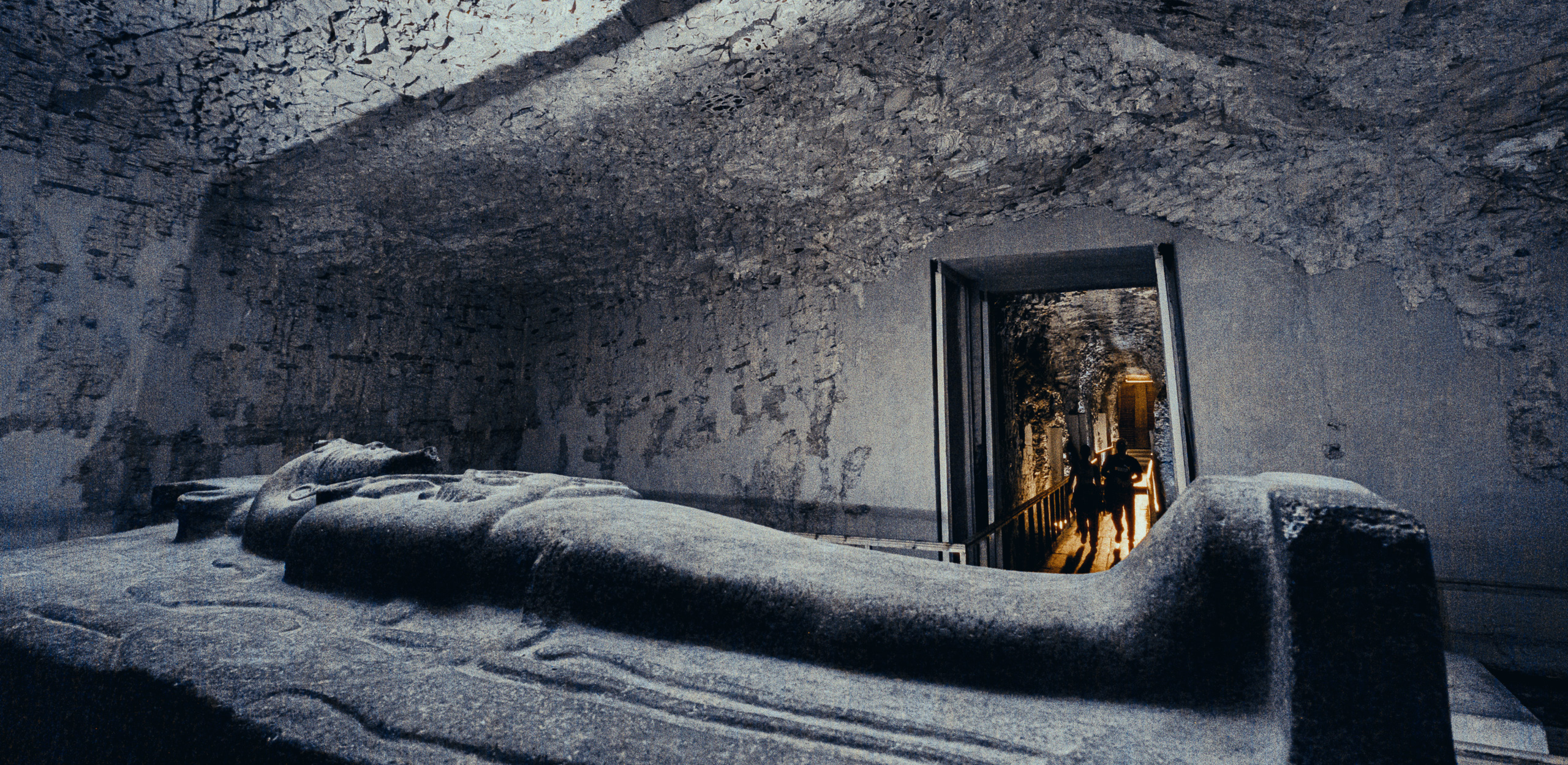
A royal tomb here was never simply a grave. It was the architectural script of a journey — the deceased pharaoh, merged with the sun god, descended into the underworld and travelled twelve hours through its regions before being reborn at dawn. The corridors, the burial chamber, the painted ceilings were a working diagram, not a decoration. Texts like the Amduat and the Book of Gates were technical manuals as much as theology.
A century after Howard Carter paused at the steps of KV62, the Valley still gives up its dead. New chambers are mapped, fragments sieved out of the same fine grit. The archaeologists in these images belong to a chain of intermediaries the ancient Egyptians would have recognized — people whose work is to keep a passage open between the living and those who have gone before.
Infrared photography enters this chain at a slightly oblique angle. It registers what the eye cannot see; the Valley was built around encoding what was never meant to be seen in the first place. The two ways of looking meet here, in roughly forty degrees of sun, with reasonable courtesy.
Plates
Read also
Egypt — Modern Miracles · Lux Perpetua